Share
Most exhibitors think of PR at a trade show as a way to secure a bit of coverage around the event itself: a mention in the show preview, a photo on the stand, or perhaps a short write-up afterwards. That is a fair outcome, but it undersells what a well-planned PR approach can achieve. Used properly, an exhibition is one of the best opportunities in the calendar to build lasting thought leadership, positioning your subject matter experts – not just your products – as voices the industry turns to and listens to.
This is particularly important in the life sciences sector. Buyers are often scientists or clinicians who are naturally sceptical of straightforward product marketing, but who pay close attention to genuine expertise and credible commentary on where their field is heading. An exhibition puts journalists, competitors, customers and peers in the same room at the same time, creating a valuable opportunity to establish that credibility. The question is: ‘How do you make the most of it?’
Why exhibitions are a natural stage for thought leadership
Trade shows bring together many of the people who matter most for thought leadership: the trade and specialist press who cover your sector, the peers and competitors whose opinions carry weight, and the customers who will ultimately validate your expertise to others. Few other moments in the year offer that combination in one place.
Journalists attending a show are actively looking for stories and expert insights to fill their coverage, which means the appetite for a well-briefed spokesperson is already there. The challenge is rarely a lack of opportunity. It’s that most exhibitors arrive with a product pitch instead of a point of view, and the two are not the same thing. So, before thinking about what you want to promote, think about where you want to establish your authority.
Define the topics you want your brand to be known for
Thought leadership works best when it is built around a small number of consistent themes, rather than whatever happens to be topical on the day of the exhibition. Before the show, agree on two or three subjects your company genuinely has the authority to speak on. This could be a technology trend, a regulatory shift, a scientific challenge your product addresses, or a direction you believe the industry is heading in.
These themes should tie back to your actual expertise and roadmap, not just what sounds impressive. A spokesperson who can speak with real depth on two topics will always be more compelling than one briefed thinly across 10, and journalists will notice the difference immediately. Once you’ve defined your key areas of expertise, the next step is turning them into a story worth telling.
Give journalists a story, not just a product pitch
A product launch is not always newsworthy on its own. Journalists need an angle: a trend that the launch reflects, a recognisable problem that the product solves, or data that says something new about the market. Before the exhibition, work out what that angle is and build your pitch around it, rather than simply providing a list of features and specifications.
The strongest exhibition stories often connect a specific product, technology or result to a bigger industry conversation that is already happening, whether that is around AI, sustainability, workforce shortages or regulatory change. That connection can make the story more relevant to an editor, and is exactly the kind of framing a product-led pitch usually misses.
Put your experts at the centre of the story
A strong story also needs the right person to tell it. Thought leadership is built by people, not logos, so decide in advance who will represent your company at the show, and invest time in briefing them properly. This might be a scientific founder, a technical director or a commercial lead with genuine domain knowledge, but it should be someone who is comfortable and competent fielding questions that go beyond the product datasheet.
Give your spokespeople a small set of key messages and a handful of well-rehearsed answers to the questions they are most likely to face, including the difficult ones. The goal is not a scripted performance, but the confidence to speak naturally and knowledgeably when a journalist or peer asks something unexpected.
Arrange media meetings before the exhibition
Having a great spokesperson only helps if they have opportunities to share their expertise, and waiting for journalists to find your stand leaves too much to chance. Identify the press and analysts attending the show well in advance, research what they cover, and arrange specific meeting slots rather than relying on a general invitation to stop by. A short, well-targeted email with a clear story angle, followed up with a phone call, is likely to get a far better response than a generic show announcement sent to a long list.
Booking these meetings ahead of time also means your spokespeople can prepare properly for each conversation, rather than reacting cold to whoever happens to approach the stand. It turns PR from a hopeful add-on into a scheduled, well-planned part of the exhibition strategy.
Use the stage to strengthen your authority
One-to-one meetings aren’t the only way to get your experts heard. Many exhibitions run alongside conference programmes, panel discussions or podium sessions, and these can be some of the most valuable thought leadership platforms available. A speaking slot puts your expert in front of an engaged audience on an educational, rather than sales-led, footing, and gives journalists another credible reason to approach you afterwards.
Apply for these opportunities early, since the best slots are typically allocated months ahead of the event, and make sure the topic proposed lines up with the themes you have already defined. A strong talk should reinforce the same messages that your PR and stand activity are already building, rather than introducing something new and unconnected. That consistency can also help to ensure that connections made at the show continue long after it ends.
Turn exhibition conversations into long-term media relationships
A good conversation with a journalist or editor at the show is just the start of a relationship, not a one-off interaction. Note what each contact covers, and what they seemed genuinely interested in, then follow up with the specific material or access they need while the conversation is still fresh in their mind.
This is also the moment to think beyond the immediate article or show report. Offer to contribute to future features, provide expert points of view on breaking industry news, or share data and case studies that could support articles later in the year. Journalists are more likely to remember exhibitors who make their job easier long after the show has closed, so your thought leadership efforts shouldn’t end when the exhibition does.
Keep the momentum going after the show
The credibility built at an exhibition can quickly fade if nothing follows it. Use the show as a springboard: turn talks and panel appearances into written articles or LinkedIn content, keep in touch with the journalists and other contacts you made, and continue offering expert commentary on the themes you established, whether or not another show is on the horizon.
Treated this way, an exhibition stops being an isolated event in the calendar, and becomes part of a continuous thought leadership programme that adds value to your brand each time your spokespeople appear in front of the same audience.
How kdm can help
Building genuine thought leadership around an exhibition takes more than a press release on the day. At kdm communications, we combine scientific understanding with PR expertise to help life sciences companies define their key themes, brief spokespeople, secure press meetings and speaking opportunities, and keep the momentum going long after the show floor closes.
If you want your experts to be the ones who journalists seek out at your next show, take a look at our public relations services, or get in touch to talk through your exhibition PR plan.
For a practical, event-specific example of this approach in action, see: Boosting exposure at ACHEMA 2024: press relations and scientific marketing.

About the author – Aimee Fuller, MSc, Technical Writer
Aimee’s curiosity and love for all things science related led her on a path of study that included completing a BSc in life sciences – with a double major in physiology and psychology – followed by a BSc (Hons) in physiology at the University of Stellenbosch…
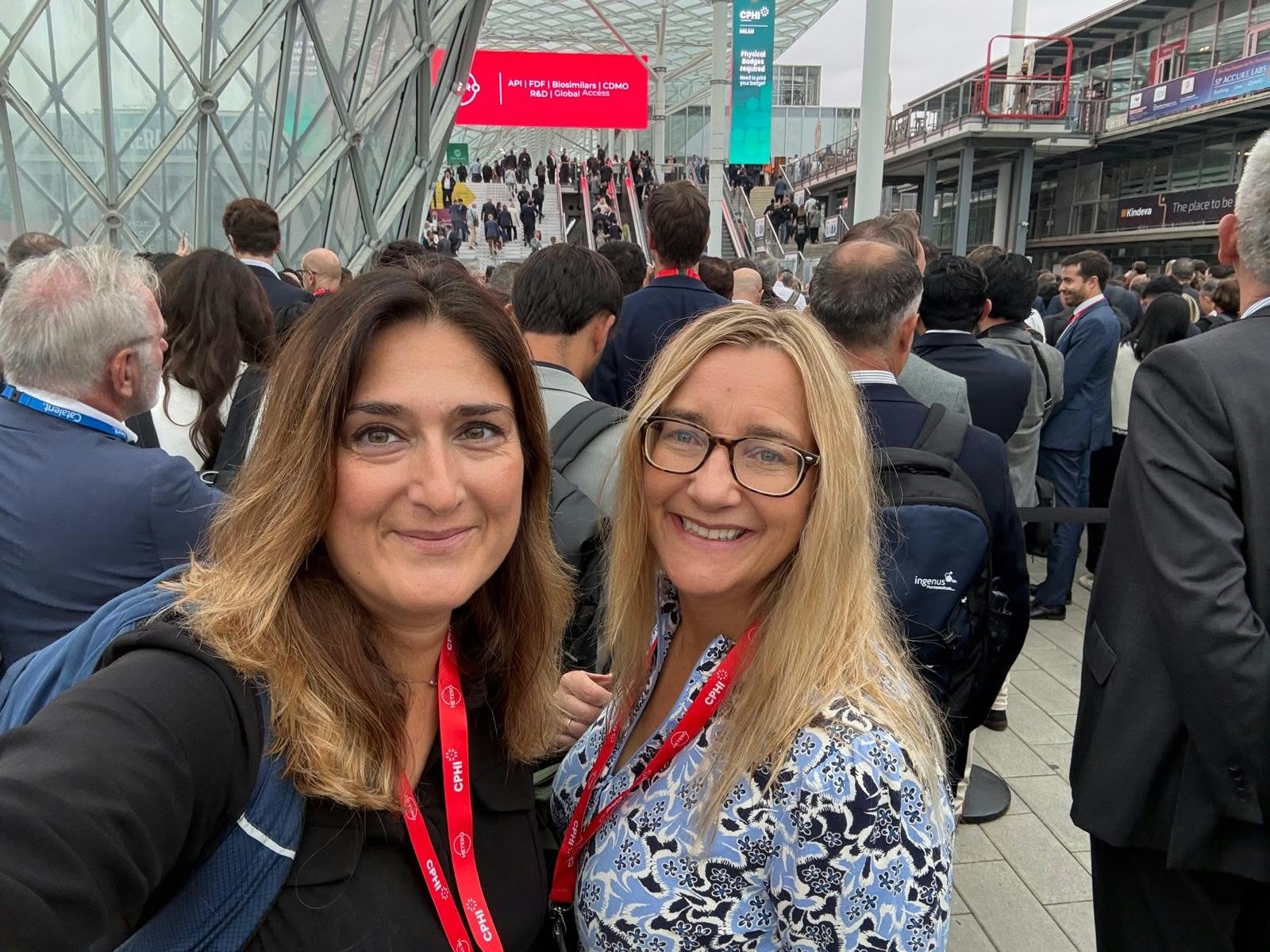
CPHI Europe 2026 in Milan certainly didn't disappoint! Annabel and I headed to the host city for two days of networking, reconnecting with familiar faces and meeting prospective clients from across the sector.
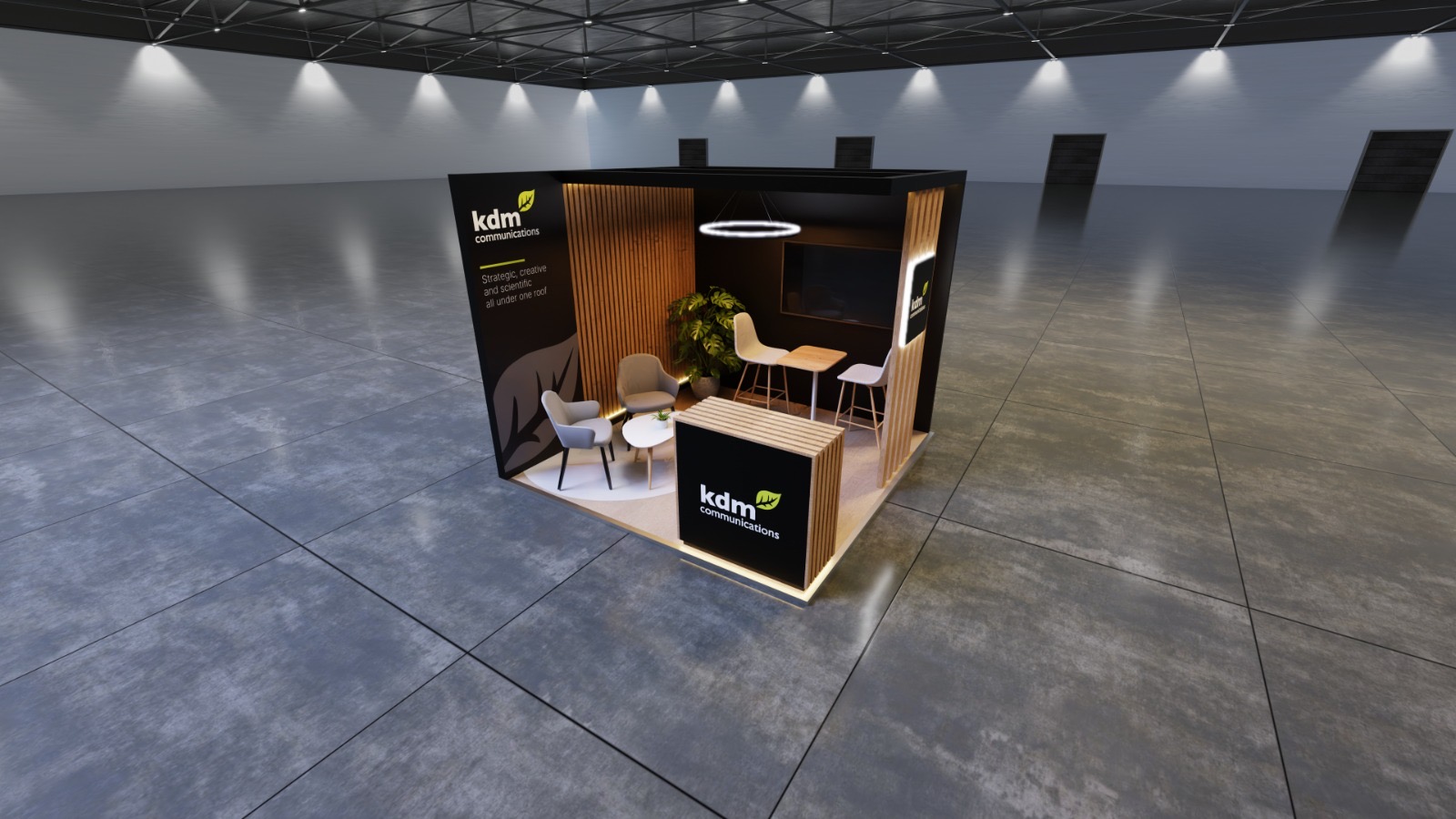
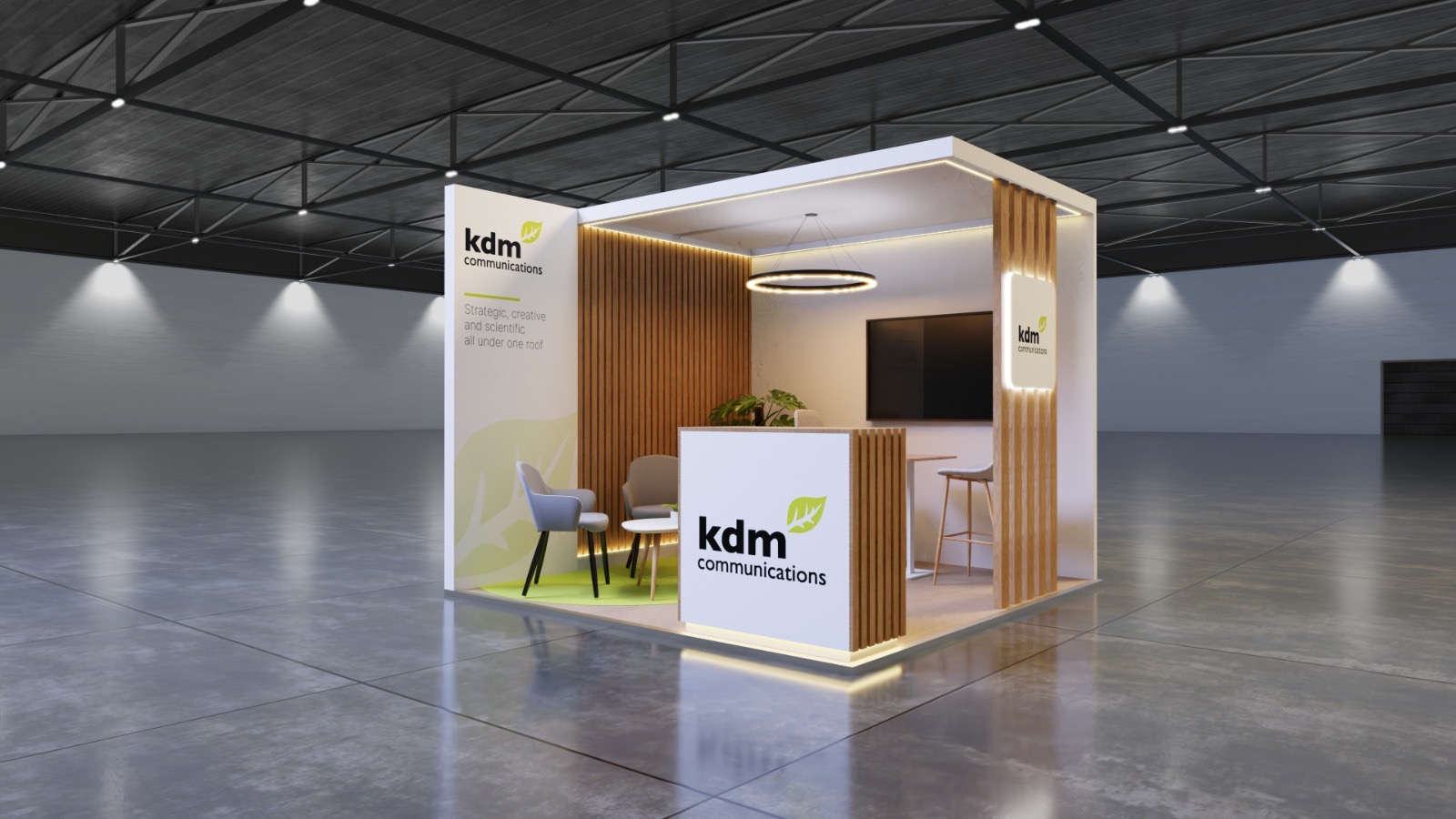
Exhibitions are a valuable opportunity for life sciences companies to meet customers, launch products, strengthen relationships and generate new leads.
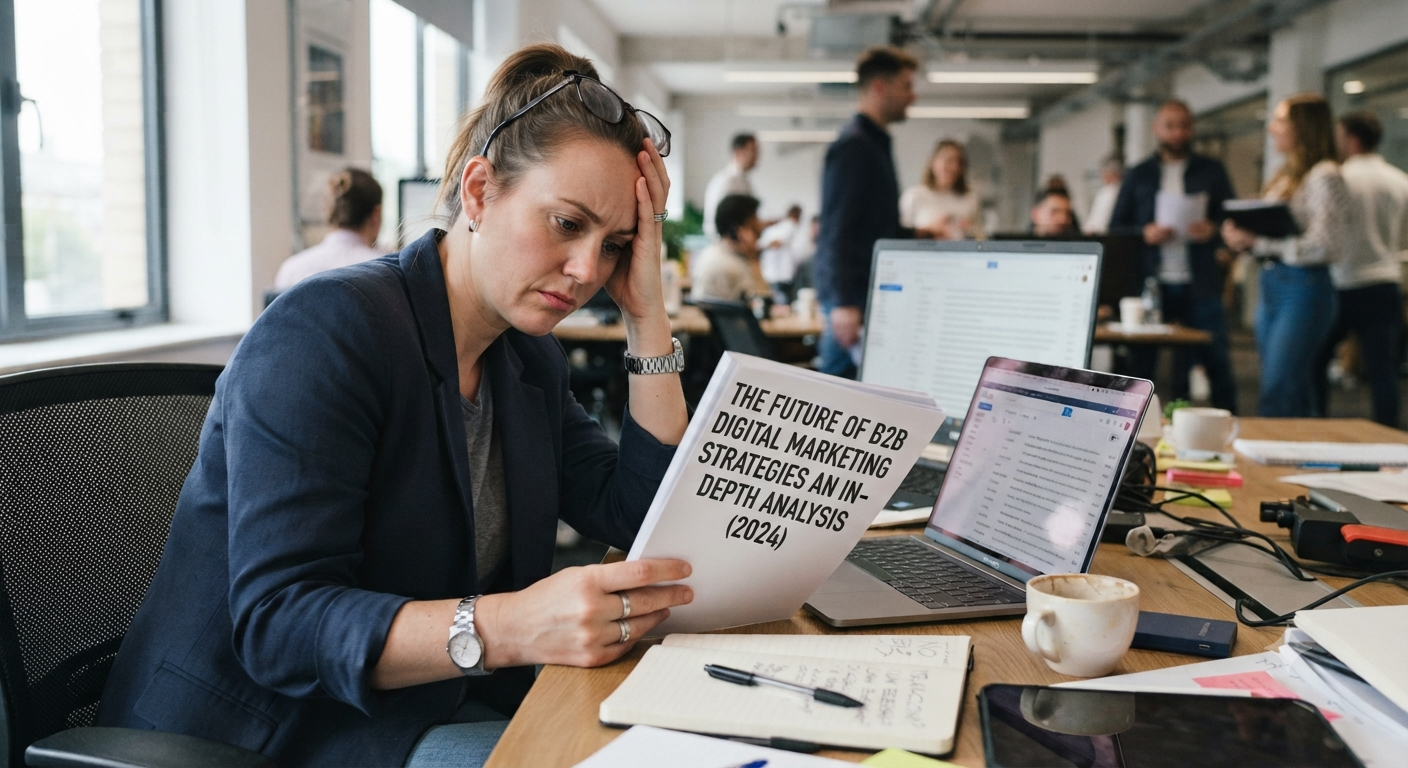
Too many white papers fail to capture attention, let alone drive meaningful engagement, but the problem isn't usually the quality of the science – it's how the white paper is conceived, written, structured and promoted.
Event marketing represents one of the largest line items in most life sciences marketing budgets, yet it's often one of the least accountable.