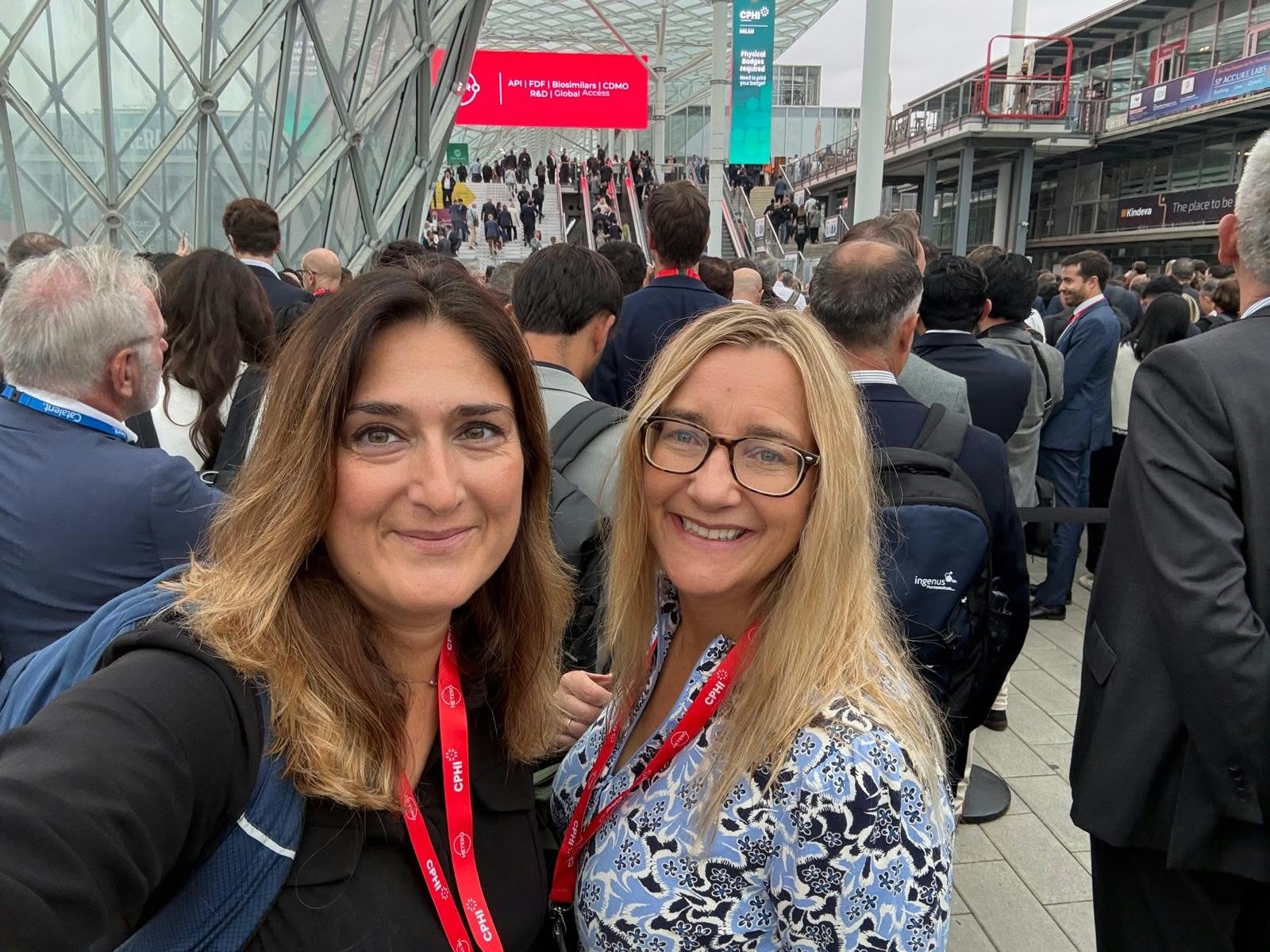
CPHI Europe 2026 in Milan certainly didn't disappoint! Annabel and I headed to the host city for two days of networking, reconnecting with familiar faces and meeting prospective clients from across the sector.


Exhibitions are a valuable opportunity for life sciences companies to meet customers, launch products, strengthen relationships and generate new leads.

An exhibition is one of the best opportunities in the calendar to build lasting thought leadership, positioning your subject matter experts – not just your products – as voices the industry turns to and listens to.

Too many white papers fail to capture attention, let alone drive meaningful engagement, but the problem isn't usually the quality of the science – it's how the white paper is conceived, written, structured and promoted.

Event marketing represents one of the largest line items in most life sciences marketing budgets, yet it's often one of the least accountable.
The renewable energy sector faces unique communication challenges. The sector is experiencing huge growth, and technologies are rapidly evolving while regulatory frameworks – which already vary significantly by region – struggle to keep up with innovation.
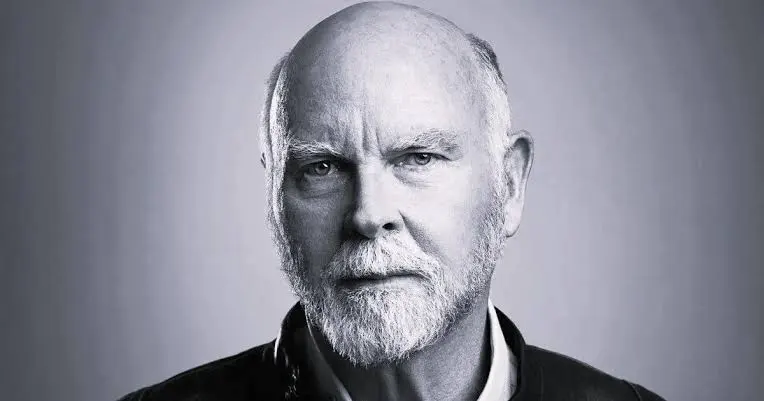
On 29th of April 2026, the life sciences world lost one of its most compelling figures.was genomics pioneer who famously raced against the US government to sequence the human genome. He then went on to become one of the founders of synthetic biology and was, by almost any measure, a scientist who changed what the world

Influencer marketing in technical sectors operates under constraints that consumer influencer campaigns never face. Simply tracking likes and shares is not enough in the life sciences, diagnostics, healthcare and medical devices industries. You need to demonstrate genuine business impact and added value, while navigating complex scientific products, services, markets and lengthy sales cycles.

When a scientist’s work is so beloved, resonating across the globe, it is worth asking: what exactly did he get so right?

The semiconductor industry operates at the cutting edge of technology, driving innovation across sectors ranging from consumer electronics and industrial automation to automotive systems and artificial intelligence. Yet, when it comes to marketing, many semiconductor companies still rely on outdated approaches: product datasheets, trade show booths and relationships built over decades. These traditional tactics still have

Annabel Sedgwick Conferences are where the life sciences community comes together. They’re where breakthrough research gets presented, partnerships are forged, and your brand can make a lasting impression. But even the best scientific programme won’t fill seats if nobody knows about it. Marketing a life sciences conference requires more than just sending out a

The veterinary sector operates at the intersection of scientific research, clinical application, animal welfare, and commercial reality. Your customers – veterinarians, practice managers and animal hospital procurement teams – are sophisticated decision-makers who demand evidence, value peer recommendations, and scrutinise every detail before committing to new devices or pharmaceutical products.

Picture this: you've just launched a game-changing platform. Your website looks pristine, your LinkedIn posts are firing out regularly, and you've even got a webinar series lined up.

Science never stands still, and nor does scientific marketing. Here, we take a look at the sales and marketing approaches that have proved successful over the past couple of years, and the likely challenges for 2026, including the ever-growing need to build customer trust, ways to leverage social media, and the transformative role of AI.

You publish content regularly. You've got blogs, white papers, and social posts. But something isn't quite working. Traffic is flat. Engagement is lukewarm. And despite all that effort, you're not seeing the leads you need.
Blogsadmin2026-05-26T15:59:21+01:00