Share
It’s true. Think about it. We all know perfectly intelligent people who just switch off when the conversation heads a certain way. It’s almost like a mental block. I suppose a lot of it comes down to language – the scientists’ secret language of long (and short!) words that the rest of the world simply don’t use in day-to-day conversation. But also there’s an element of not particularly wanting to know, or feeling the need to understand, and that’s just unfathomable to us scientists.
That, to me, is what defines a scientist, the thirst for knowledge, the analytical, methodical brain that has to work things out even if it doesn’t instantly understand something. I suspect in many cases, it probably began with the toddler who just kept asking why; the child who could all too often be found mixing up mud and petal potions in the garden, or constructing something weird and wonderful from Lego. And that inquisitive mind never goes away –we’re stuck with it forever.
Take the team of copywriters at kdm. All originally bench scientists, who now don’t often get the chance to get their hands dirty, but instead fill their days interviewing and writing about the work of other scientists – not necessarily from their own field of expertise, but fellow scientists nonetheless. What they have in common is that same special language, that thirst for knowledge, and the ability and desire to spread the word about the exciting things happening the scientific world every day. Science affects everyone’s lives – scientists and non-scientists alike – and our job as a scientific marketing agency is to break down the barriers of unwelcoming language, create content that everyone wants to hear, and make that knowledge and the newest scientific breakthroughs accessible and interesting to all.
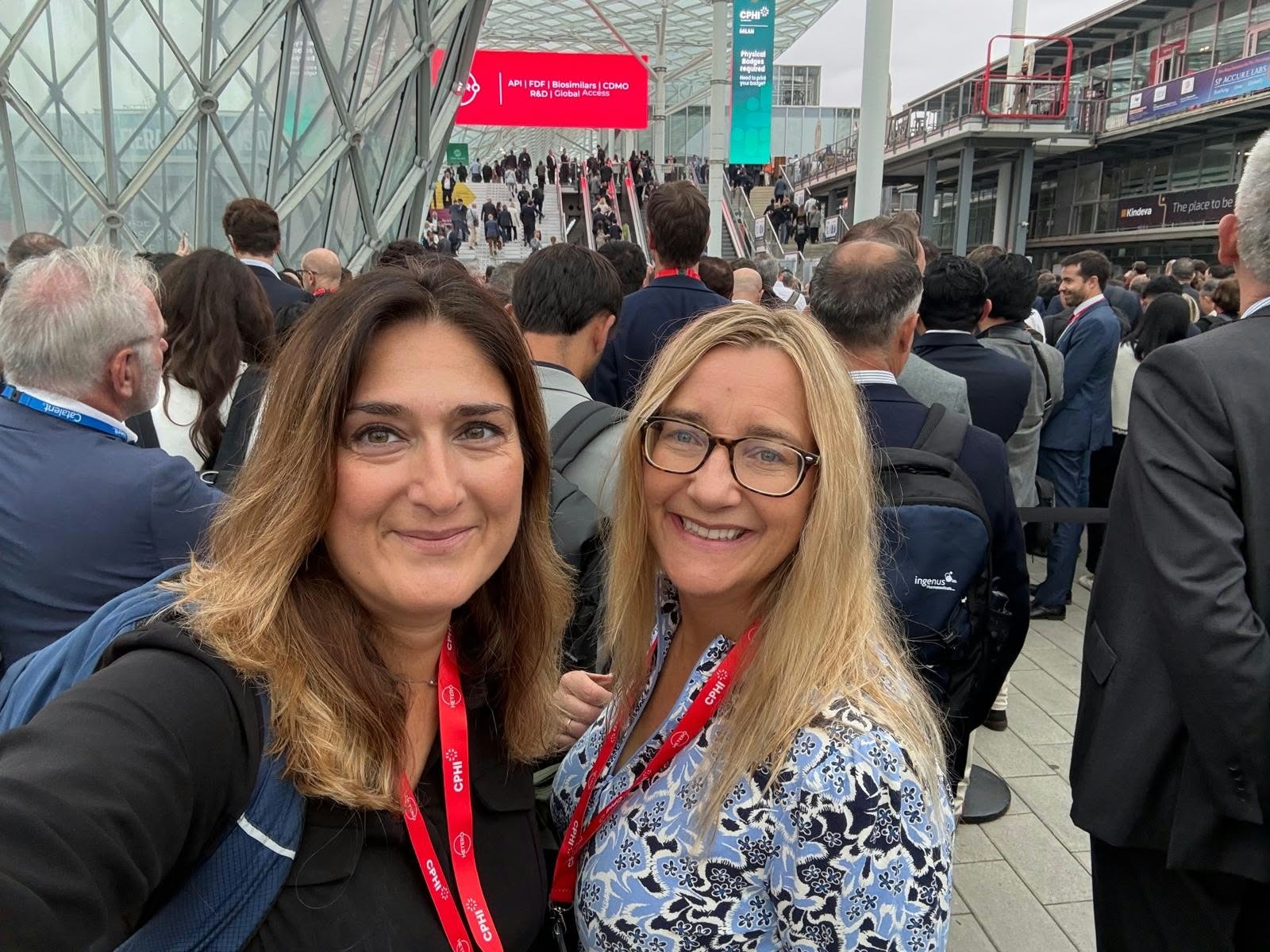
CPHI Europe 2026 in Milan certainly didn't disappoint! Annabel and I headed to the host city for two days of networking, reconnecting with familiar faces and meeting prospective clients from across the sector.
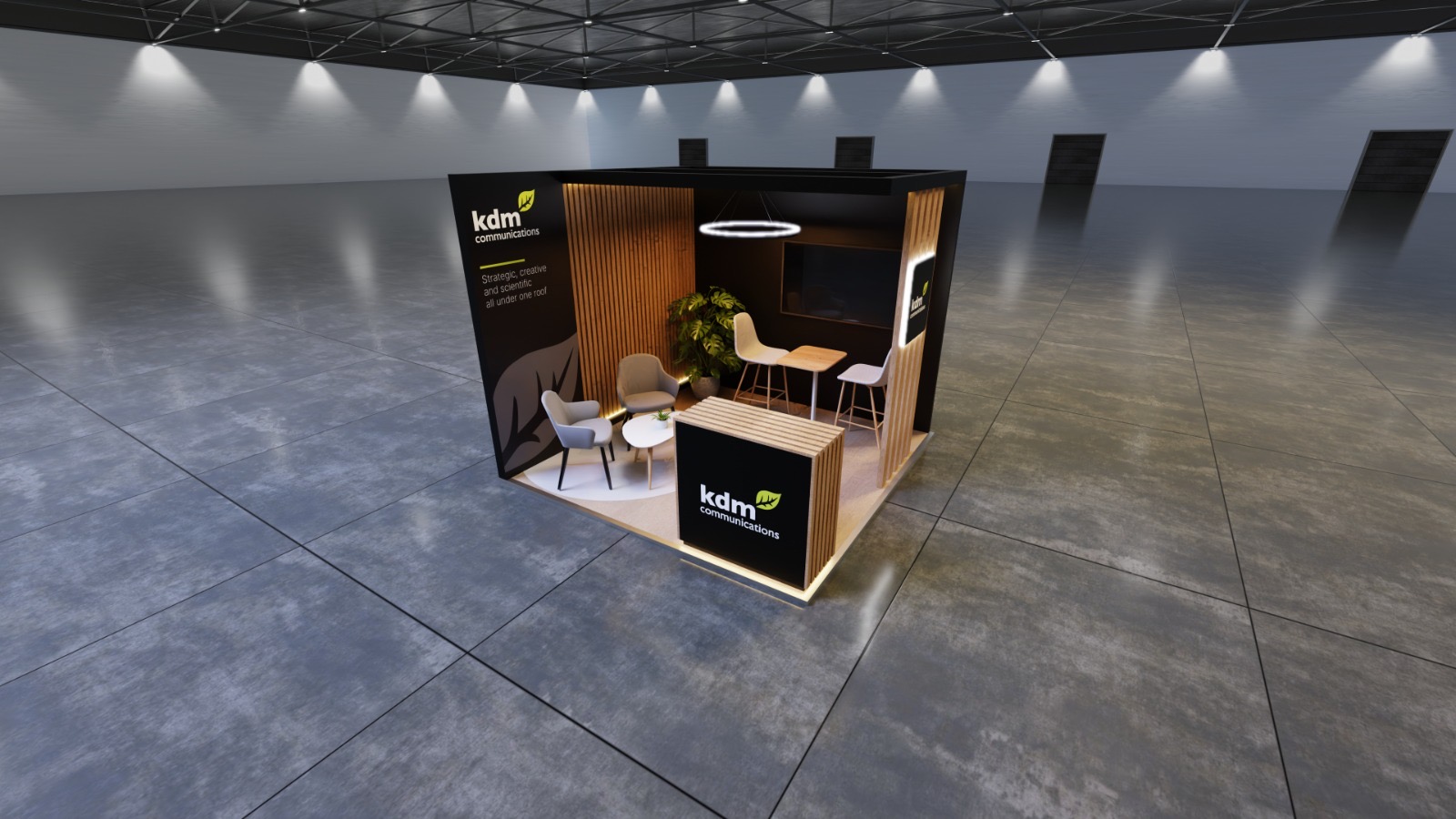

Exhibitions are a valuable opportunity for life sciences companies to meet customers, launch products, strengthen relationships and generate new leads.

An exhibition is one of the best opportunities in the calendar to build lasting thought leadership, positioning your subject matter experts – not just your products – as voices the industry turns to and listens to.

Too many white papers fail to capture attention, let alone drive meaningful engagement, but the problem isn't usually the quality of the science – it's how the white paper is conceived, written, structured and promoted.