Share

It’s no surprise that we’ve seen an immense transformation in life sciences, technical and medical B2B publishing in recent years, especially given the wide-reaching impacts of COVID-19. The way that written information is digested is perhaps the biggest change, with the readership of those in industry or academia becoming busier and living an increasingly digitalised life. This has created challenges for editors and publishers in numerous scientific fields, as well as businesses wanting to get their content seen.
Smooth seas don’t make good sailors
With audiences living increasingly hectic lives, it’s essential that technical content quickly grabs their attention to keep them moving away from a piece with a swift click of the mouse. Nowadays, it must also always be available online, otherwise readership will surely plummet in this digital age. These factors provide numerous hurdles for publishing companies, especially as editors – the publishing gatekeepers – are busier than ever, and so must be clear on their mission to survive by carving out a specialist niche in a saturated market. Many editors in charge of scientific marketing material have also been suffering from a declining workforce for many years, with no succession planning in place to account for more personnel retiring or switching trades, leaving a large knowledge gap in the sector.
How can editors find true north?
On the flip side, these challenges have resulted in a flurry of publishing opportunities, and editors are now expertly balancing traditional-style content with more commercially led pieces. A large proportion of an editor’s focus resides in audience reach – the secret to which lies in becoming a trusted, impartial source – and access to databases replete with valuable information. The quality of the content itself is, of course, another essential element, with better content often going hand in hand with lower quantity. These factors have been true to the scientific marketing industry for aeons, however, a notable change in publishing is the recent hybridisation between research-style content and paid-for media space. This has only lately become widely accepted – largely owing to an audience familiar with relentless ads on social media platforms – provided that what they read is meaningful, well written and from a trusted source.
‘Thar she blows!’ – what do editors look out for?
Consequently, editors are scanning the horizon for high quality content that outlines an interesting problem that its professional or academic readers face, and then provides a clear and informative solution in the form of a product or service. This style of content is very popular, as readers are often driven to a source that supplies the answer to a question that they type into a search engine. Purely educational or application-led pieces – free of opinions or commercial influence – are other leading types of content highly sought after by editors. Yet, striking a delicate balance between the different styles of content can be difficult and time consuming, but it must be achieved to keep the audience engaged and coming back for more.
kdm communications: your trusted compass
Luckily for scientific, technical or medical companies looking to publish their work, these choppy waters have never been so easy to navigate as they are when working with an agency like ours. We understand that, while vital, quality content is only one aspect of following your charted course with ease. That’s why we harness multiple media streams, write clearly in any style, tone of voice and format, and create content bespoke to the client or editorial requirements. This allows you to provide your audience with content that keeps them engaged while, importantly, staying in line with editors’ requirements. With our expert team – comprising individuals with varied expertise and backgrounds in multiple scientific disciplines – taking the helm, you have the best chance of getting your voice heard over the roar of the publishing waves.
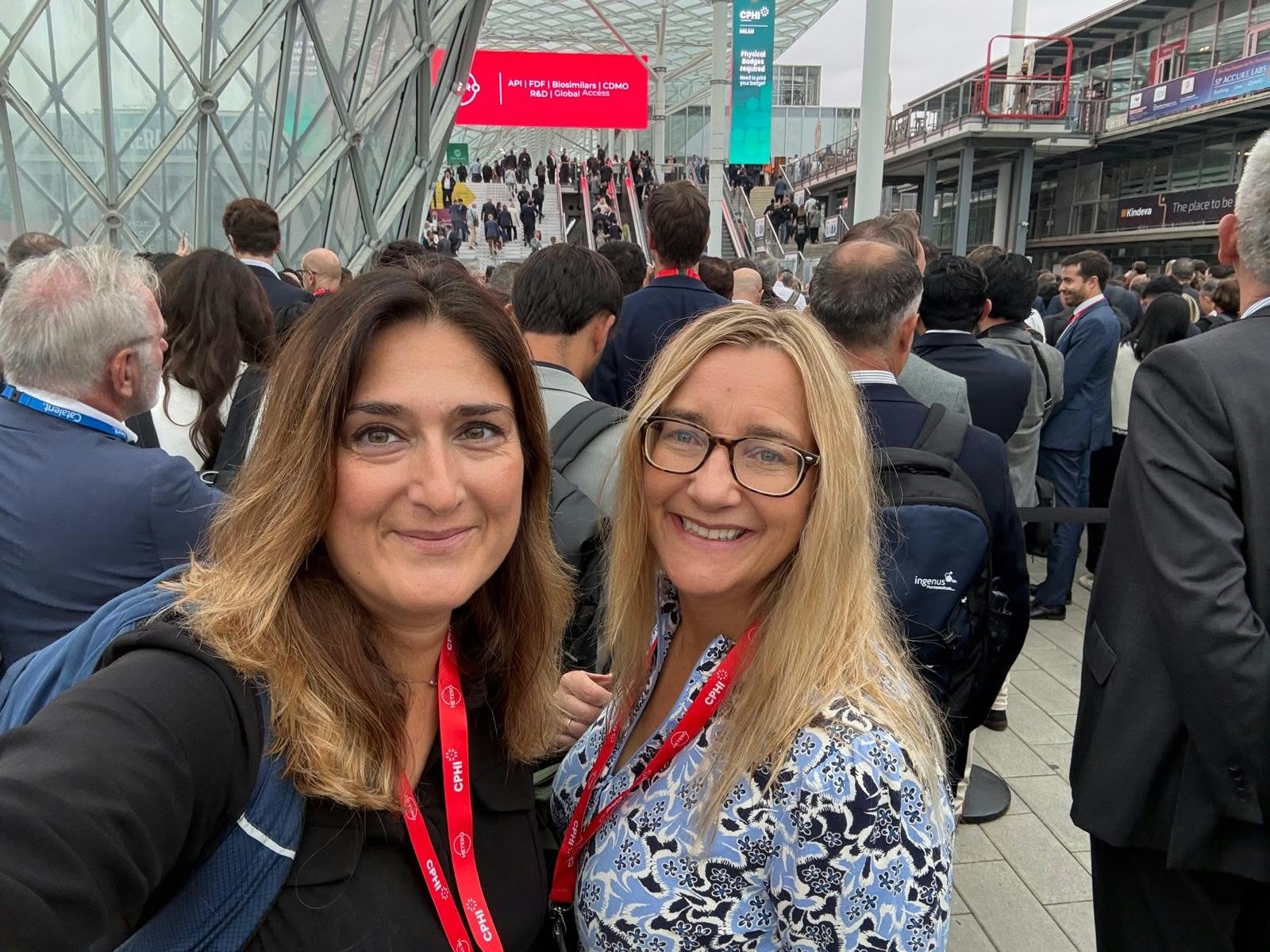
CPHI Europe 2026 in Milan certainly didn't disappoint! Annabel and I headed to the host city for two days of networking, reconnecting with familiar faces and meeting prospective clients from across the sector.


Exhibitions are a valuable opportunity for life sciences companies to meet customers, launch products, strengthen relationships and generate new leads.

An exhibition is one of the best opportunities in the calendar to build lasting thought leadership, positioning your subject matter experts – not just your products – as voices the industry turns to and listens to.

Too many white papers fail to capture attention, let alone drive meaningful engagement, but the problem isn't usually the quality of the science – it's how the white paper is conceived, written, structured and promoted.