Share

The life sciences industry is constantly churning out content in bucketloads, making it harder for companies to stand out from the crowd. And this is why it’s important to opt for quality over quantity and adopt a customer-centric approach to effectively communicate and connect within this landscape, especially when making the most of limited marketing budgets. After all, knowing your audience is critical – if you don’t know who you’re selling to, how can you truly appreciate their needs and what makes them ‘tick’? It’s only when you have this understanding that you can ensure you are hitting all the right targets and producing content that resonates with the right audience.
kdm communication’s very own Managing Director Annabel Sedgwick recently presented a webinar, hosted by Sales and Marketing Professionals in Science (SAMPS), highlighting the importance of context when creating content. Annabel was joined by a few familiar faces from the industry – Sonali Shah Sunak, Matt Wilkinson, Kylee Charles and Demetra Bernard – to discuss how their marketing teams are tailoring messaging and crafting meaningful and impactful content within life sciences. This blog summarises the discussion and includes useful tips for creating customer driven content.
What is customer centricity in life sciences marketing?
Customer centricity is a business strategy centred around understanding and anticipating your customers’ wants, needs and desires in order to provide them with a positive experience. It is the process of understanding what triggers them emotionally and financially, what their ambitions are, and where their pains lie. It can often be derived by acting on feedback, creating a seamless process, being readily available to chat and adding value beyond the sale with, for example, webinars and other educational content that keeps customers engaged. Companies that have perfected customer centricity found it boosted their performance, driving profits by over 60 percent and reducing marketing costs by 10-20 percent.1
How can you get to know your customer?
Customer centricity is not necessarily a new concept, in fact 96 percent of marketers recognise that the approach is key in B2B marketing.2 However, only 33 percent feel that their customers have a personalised brand experience2 – so what is the disconnect? It could be that marketeers do not have the tools, resources or connections to get to know their customers better. But there are plenty of marketing tools, tips and tricks that can be used to gather information, including:
- marketing workshops
- persona development
- customer journey and empathy mapping
- meeting with customers at tradeshows
- third party testimonials
- working closely with customer-facing sales teams
- content analytics and lead forensics
- asking for and acting on feedback
How does customer centricity pay dividends in life sciences marketing?
Once you have information about your customer, it’s important to use this material to make insight driven decisions. Taking note and mapping the customer’s journey from initial brand awareness to advocacy forms the basis for your company’s marketing fel (figure 1). With this tool, you can personalise content, helping to reach them at the right point in the funnel where they will interact with the content in the most effective way. This could be in the information gathering phase, education or deep dives but, whatever the stage, you want to trigger an emotional reaction with the brand when the time is right.
Content personalisation makes your customer feel understood, which is an asset, as 84 percent of business buyers are more likely to buy from a sales rep who understands them. However, 57 percent of those same business buyers say that reps often lack adequate knowledge of their business – so there is definitely room for improvement.3 In fact, there are always opportunities to grow, as content personalisation is a continual learning process of gathering information, creating new content, refining activities…and rinse and repeat
Living and breathing customer centricity
Customer centricity is an attitude that should come from the top down; it’s not just for the sales and marketing teams, but needs to be consistent across a business and aligned with core brand values. Even if you’re not at the coal face, you should always use a customer centric approach in your role. This may take some effort, but the rewards of producing effective and meaningful marketing content are worth it and maximise return on investment.
References
- ai.
- The state of marketing report. (2024). Hubspot. Accessed 31st July 2024. https://www.hubspot.com/state-of-marketing
- State of the connected customer. (2020). Accessed 30th July 2024. https://www.salesforce.com/uk/resources/articles/customer-expectations/

CPHI Europe 2026 in Milan certainly didn't disappoint! Annabel and I headed to the host city for two days of networking, reconnecting with familiar faces and meeting prospective clients from across the sector.

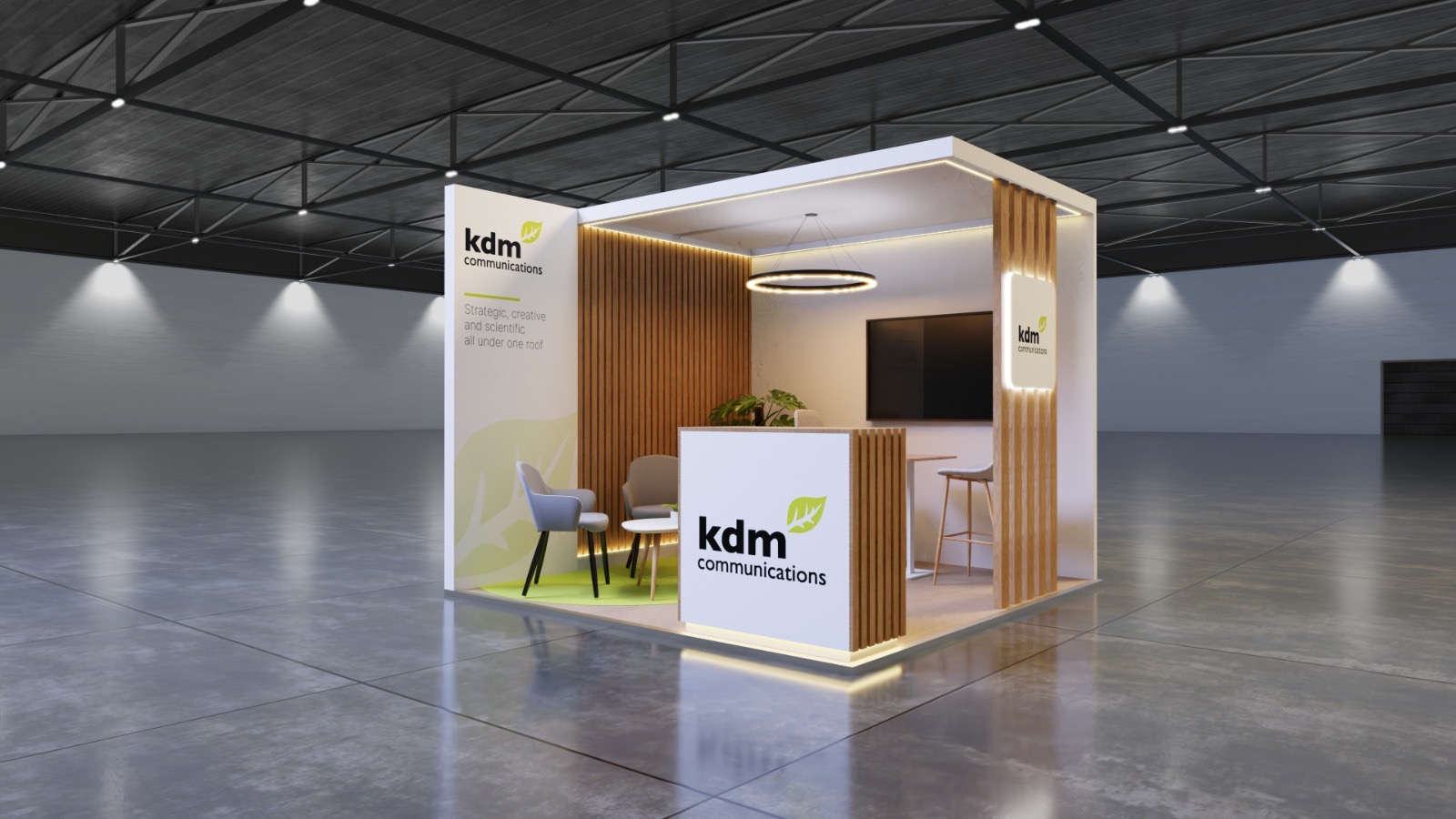
Exhibitions are a valuable opportunity for life sciences companies to meet customers, launch products, strengthen relationships and generate new leads.

An exhibition is one of the best opportunities in the calendar to build lasting thought leadership, positioning your subject matter experts – not just your products – as voices the industry turns to and listens to.

Too many white papers fail to capture attention, let alone drive meaningful engagement, but the problem isn't usually the quality of the science – it's how the white paper is conceived, written, structured and promoted.