Share
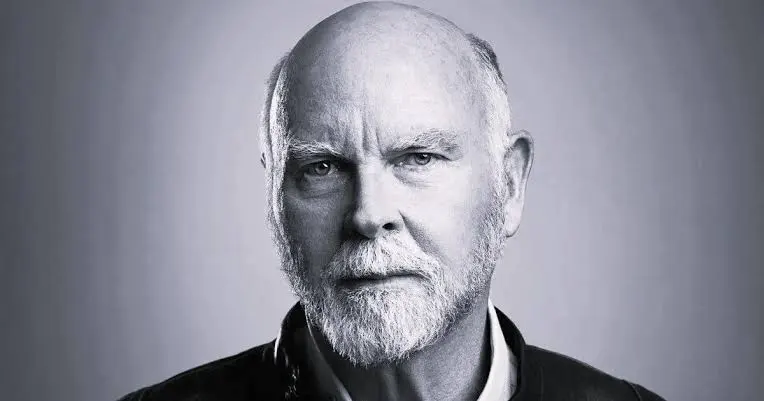
On 29th of April 2026, the life sciences world lost one of its most compelling figures.was genomics pioneer who famously raced against the US government to sequence the human genome. He then went on to become one of the founders of synthetic biology and was, by almost any measure, a scientist who changed what the world believed was possible. Venter’s story feels particularly resonant to the team at kdm, given our long relationship with Applied Biosystems, the sequencing powerhouse that became central to his most famous scientific achievement.
How Craig Venter accelerated the race to sequence the human genome
Venter is best known for his role in mapping the human genome, which he believed could help to transform healthcare. However, he was often at odds with the publicly funded Human Genome Project, disagreeing with its use of a clone-by-clone sequencing strategy and instead favouring whole genome shotgun sequencing.
Venter argued that the human genome could be sequenced faster and more cost-effectively than through the public project, and this difference of opinion led him to establish Celera Genomics in 1998. Backed by Applera Corporation, Celera combined Venter’s scientific ambition with Applied Biosystems’ sequencing platforms and commercial infrastructure. Together, they assembled one of the world’s most powerful supercomputers and directly challenged the pace and assumptions of the scientific establishment.
Venter attracted no shortage of critics – some questioned his methods, while others took issue with his personality – but even his fiercest opponents recognised the ambition and scientific significance of his work. That work paid off when, on the 26th of June 2000, Bill Clinton and Tony Blair invited Venter and Francis Collins, leader of the Human Genome Project, to the White House and announced the completion of the first working draft of the human genome.
Craig Venter’s approach to science and communication
One of the things that distinguished Venter from many of his peers was his willingness to engage publicly with what he was doing and why it mattered. Many scientists are satisfied publishing results in journals and presenting at conferences, but Venter took his arguments to policymakers, journalists and business leaders. He understood that discovery alone was not enough: for science to change the world, it had to be communicated to the people with the power to fund, regulate and use it.
When he stood in the White House in June 2000 and told the watching world that nothing about sequencing the human genome diminished humanity by taking the mystery out of life, he was doing something that scientists rarely do well: he was making complex science feel meaningful to a non-specialist audience, without sacrificing a word of the underlying truth. What Venter understood was that the constraints limiting scientific progress are often institutional rather than scientific. By challenging those constraints, and refusing to accept that things had to be done the way they had always been done, he accelerated a revolution that has since underpinned everything from cancer diagnostics to personalised medicine to the rapid development of the COVID-19 vaccines.
Venter’s final years were spent at the J. Craig Venter Institute, working towards the digitalisation of biology. He firmly believed that DNA is fundamentally an information system, and that understanding it fully will give humanity the tools to address its most pressing challenges, from antibiotic resistance and cancer to food security and climate change.
Craig Venter’s lasting legacy
Venter’s work truly transformed the life sciences, enabling countless innovations. At kdm, we work across the full breadth of the life sciences, and every day we support organisations whose innovations were made possible by Venter’s work: from the development of truly personalised cell and gene therapies to the use of engineered bacteria in industrial bioproduction. In the years we worked with Perkin-Elmer and Applied Biosystems at the start of the genomics industry, much of this would have seemed like science fiction.
Beyond his scientific contributions, we can learn a lot from Venter’s boldness, open communication style and willingness to challenge the status quo. In the scientific sectors, many organisations are content with communicating innovations in the same way they always have, using dense technical documentation and product-led messaging. Organisations should be willing to challenge the accepted methods, both in how they approach their science and how they communicate it.
Venter was famous for making bold claims, but they were always grounded in science. Being able to back up and provide evidence for your claims is essential in scientific communication, whether you’re a start-up looking for funding or an established organisation launching a new technical product. Your audience has years or even decades of experience in the laboratory or the clinic, and will immediately be able to tell if the marketing is exaggerating the evidence: they want clarity and precision, giving them a link between the claim and the data that supports it.
Venter’s ability to uphold scientific rigour and connect with the public represents the foundation of effective life sciences communication and marketing. Most people and organisations are good at science or good at communication – rarely both. Those that combine breakthrough science with effective marketing build the kind of trust that lasts for decades.
How kdm can help make your scientific marketing more effective
kdm communications has been working with life sciences, diagnostics, medical device, technology and healthcare clients since 1984. Our team includes in-house scientists – most with postgraduate research backgrounds – digital strategists, marketers and designers, all with extensive expertise intaking complex science and building it into content that genuinely moves specialist audiences.
We have been part of this industry’s story for a long time, supporting life sciences companies at the start of the genomics revolution, and we are very much here for what comes next. If you would like to talk about how we can help your organisation to communicate its science with the clarity and ambition it deserves, get in touch and let’s start the conversation.
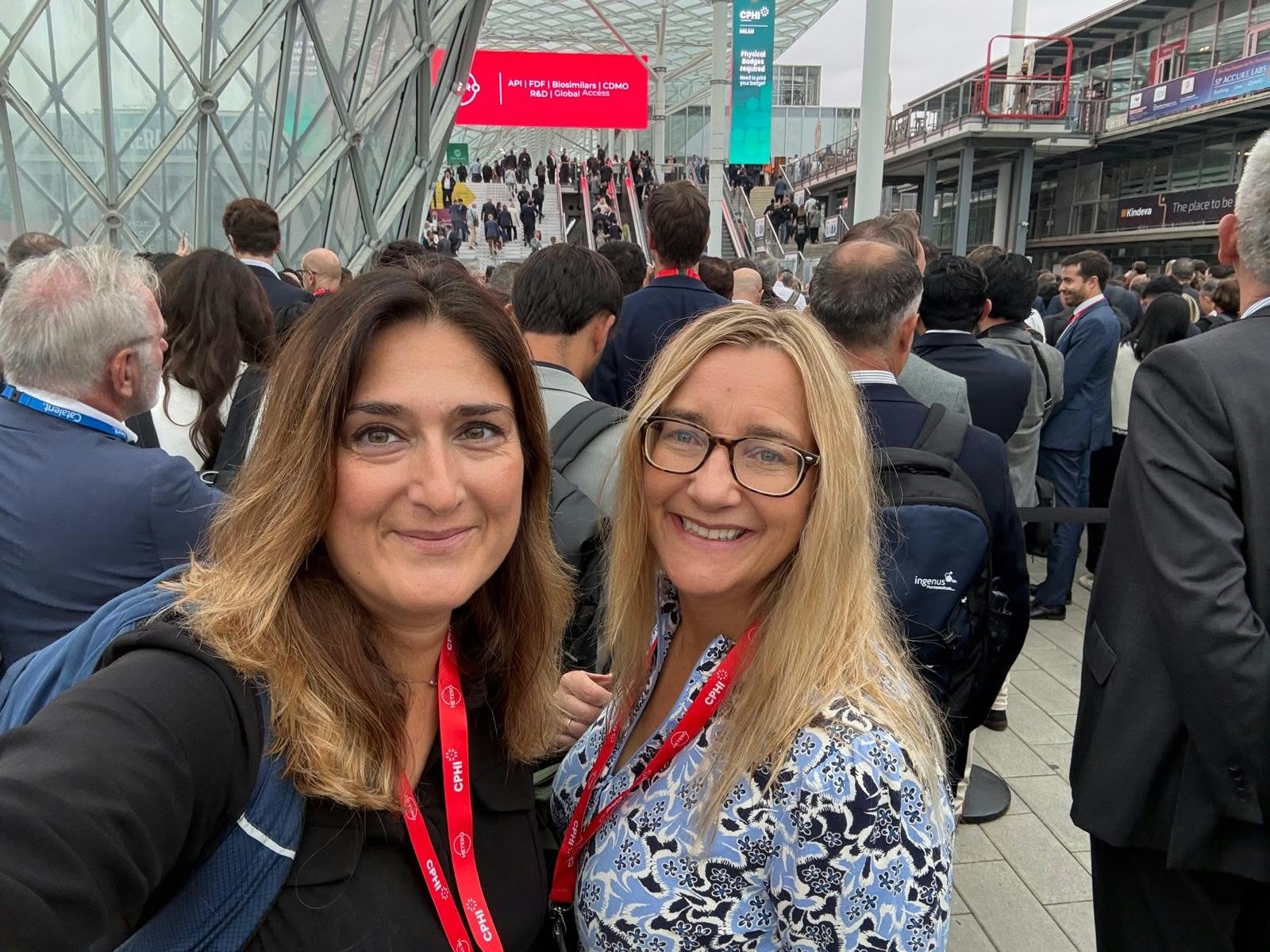
CPHI Europe 2026 in Milan certainly didn't disappoint! Annabel and I headed to the host city for two days of networking, reconnecting with familiar faces and meeting prospective clients from across the sector.
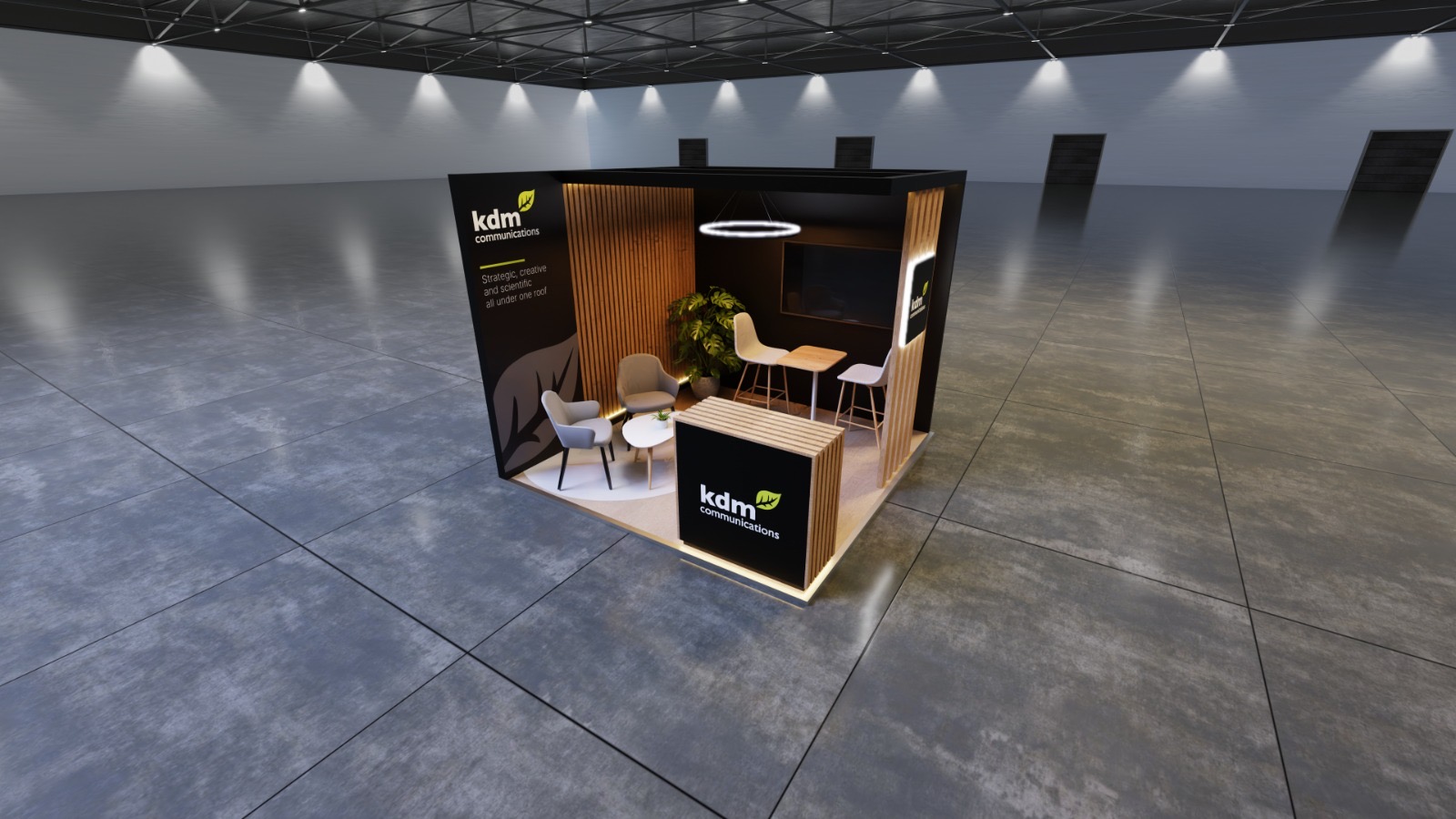

Exhibitions are a valuable opportunity for life sciences companies to meet customers, launch products, strengthen relationships and generate new leads.

An exhibition is one of the best opportunities in the calendar to build lasting thought leadership, positioning your subject matter experts – not just your products – as voices the industry turns to and listens to.

Too many white papers fail to capture attention, let alone drive meaningful engagement, but the problem isn't usually the quality of the science – it's how the white paper is conceived, written, structured and promoted.