Share
Conferences and trade shows represent significant investments for life sciences companies. Between booth costs, sponsorships, staff time, travel expenses and promotional materials, a single major event can consume a substantial portion of your annual marketing budget. Yet when leadership asks ‘Was it worth it?’, many marketing teams struggle to provide a satisfying answer.
The challenge isn’t that events don’t deliver value. It’s that measuring that value accurately is genuinely difficult. Leads are collected, but not always followed up. Conversations happen, but aren’t documented. Brand awareness increases, but isn’t quantified. Relationships deepen, but the impact doesn’t appear in CRM reports. Without robust measurement systems, even highly successful events can appear to deliver a disappointing ROI.
Why is proving ROI important for event marketing?
Event marketing represents one of the largest line items in most life sciences marketing budgets, yet it’s often one of the least accountable. This creates several problems:
- Budget justification becomes challenging. When you can’t demonstrate clear ROI, securing budget for future events becomes harder. Finance teams understandably question investments that lack measurable returns. Marketing teams end up defending event participation based on ‘we’ve always done it’ rather than ‘here’s the business impact.’
- Resource allocation becomes inefficient. Without ROI data, you can’t determine which events deserve more investment, and which should be cut. You might be overspending on events that deliver minimal value, while underinvesting in high-performing opportunities.
- Strategy improvement stalls. If you don’t know what’s working, you can’t optimise it for the future. Measuring ROI reveals which booth locations drive more traffic, which sponsorships generate better leads, which presentations attract the right audiences, and which promotional tactics work best.
- Confidence erodes. Sales teams, executives and other stakeholders lose faith in marketing when they can’t see clear evidence of the impact.
Proving ROI builds confidence and strengthens cross-functional relationships. Strong ROI measurement transforms event marketing from a necessary expense into a strategic investment with quantifiable business impacts. It provides the evidence needed to secure budgets, the insights required to improve performance, and the credibility that makes marketing a valued business element.
How to measure ROI on event marketing
Measuring event ROI effectively requires defining what success looks like, implementing tracking systems, and analysing multiple metrics across different timeframes.
Lead generation
Start with the basics. How many leads did you capture at the event? But go deeper. What percentage were marketing-qualified leads? How many progressed to sales-qualified status? Compare conversion rates against other channels to assess lead quality, not just quantity. 100 business cards collected by scanning every badge in sight is less valuable than 20 meaningful conversations with decision-makers from target accounts.
Brand awareness and reach
Measure booth traffic using badge scans or manual counts. Track social media mentions, hashtag usage and engagement during (and immediately after) the event. Monitor website traffic spikes during the event period, particularly visits to relevant product pages or resources. Survey attendees to measure brand recall and perception changes.
Engagement depth
Not all interactions are equal. Track how many people attended your presentations, participated in product demos, downloaded resources from your booth, or engaged in substantive conversations. Deep engagement indicates genuine interest and predicts higher likelihood of conversion.
Customer relationship development
Events often serve existing customers as much as prospects. Track how many current customers visited your booth, attended your sessions, or participated in customer-only activities. Survey them about satisfaction, product feedback and future purchase intent. Strong customer relationships reduce churn and increase lifetime value, outcomes that may not appear immediately but significantly impact long-term ROI.
Competitive intelligence
While harder to quantify, the insights gained from seeing competitor positioning, hearing customer conversations, and understanding market trends have real value. Document these insights and assess how they influence strategy.
Cost per outcome calculations
Calculate your total event investment including booth costs, sponsorships, staff time, travel, materials and pre-event marketing. Divide this by meaningful outcomes: cost per lead, cost per qualified opportunity and cost per customer acquired. Compare these to other marketing channels to assess relative efficiency.
How to optimise future events using ROI insights
Measurement only matters if it drives improvement. Use ROI data to optimise your event strategy:
- Prioritise high-performing events. If certain conferences consistently deliver strong ROI, increase investment there. Consider larger booths, higher-tier sponsorships, or speaking opportunities. If others underperform despite multiple attempts, cut them and reallocate budget to better opportunities.
- Refine your approach. If booth traffic is high, but lead quality is low, your positioning might be too broad. If demos drive better conversion rates than passive booth interactions, allocate more resources to live demonstrations. If certain team members generate better quality conversations, deploy them more strategically.
- Improve lead follow-up. If event leads convert well, but follow-up is slow, tighten post-event processes. Implement automated email sequences, schedule immediate post-event sales calls, or create fast-track qualification processes for hot leads. Speed significantly impacts conversion rates.
- Test different tactics. Try different booth designs, presentation topics, giveaways or engagement activities. Track which ones generate better outcomes and iterate accordingly. A/B testing isn’t just for digital marketing.
- Align with sales more effectively. If sales teams aren’t following up on event leads quickly enough, address this systematically. Create shared definitions of lead quality, establish follow-up SLAs and implement feedback loops so that sales can inform marketing about lead quality in real time.
- Extend event impact beyond the event itself. Create content from presentations, capture video testimonials at your booth, document customer conversations as case studies, and repurpose event materials for ongoing campaigns. This extends ROI beyond the few days on the exhibition floor.
How kdm can help
Measuring event marketing ROI rigorously, and using those insights to optimise performance, requires clear processes, reliable data and consistent follow-up, areas where many life sciences marketing teams struggle. At kdm communications, we help life sciences companies to develop comprehensive event marketing strategies that include robust measurement frameworks. We can help you to define meaningful success metrics, implement tracking systems and analyse results to reveal true ROI.
We can also provide end-to-end event marketing support, from pre-event promotional campaigns using social media and influencer marketing to post-event content development and lead nurturing.
Our approach ensures that events aren’t isolated activities, but integrated components of broader marketing campaigns that drive sustained results. Whether you need help proving the value of existing event investments or want to build a more strategic, measurable approach to conference and trade show participation, we can help you to get more value from every event.

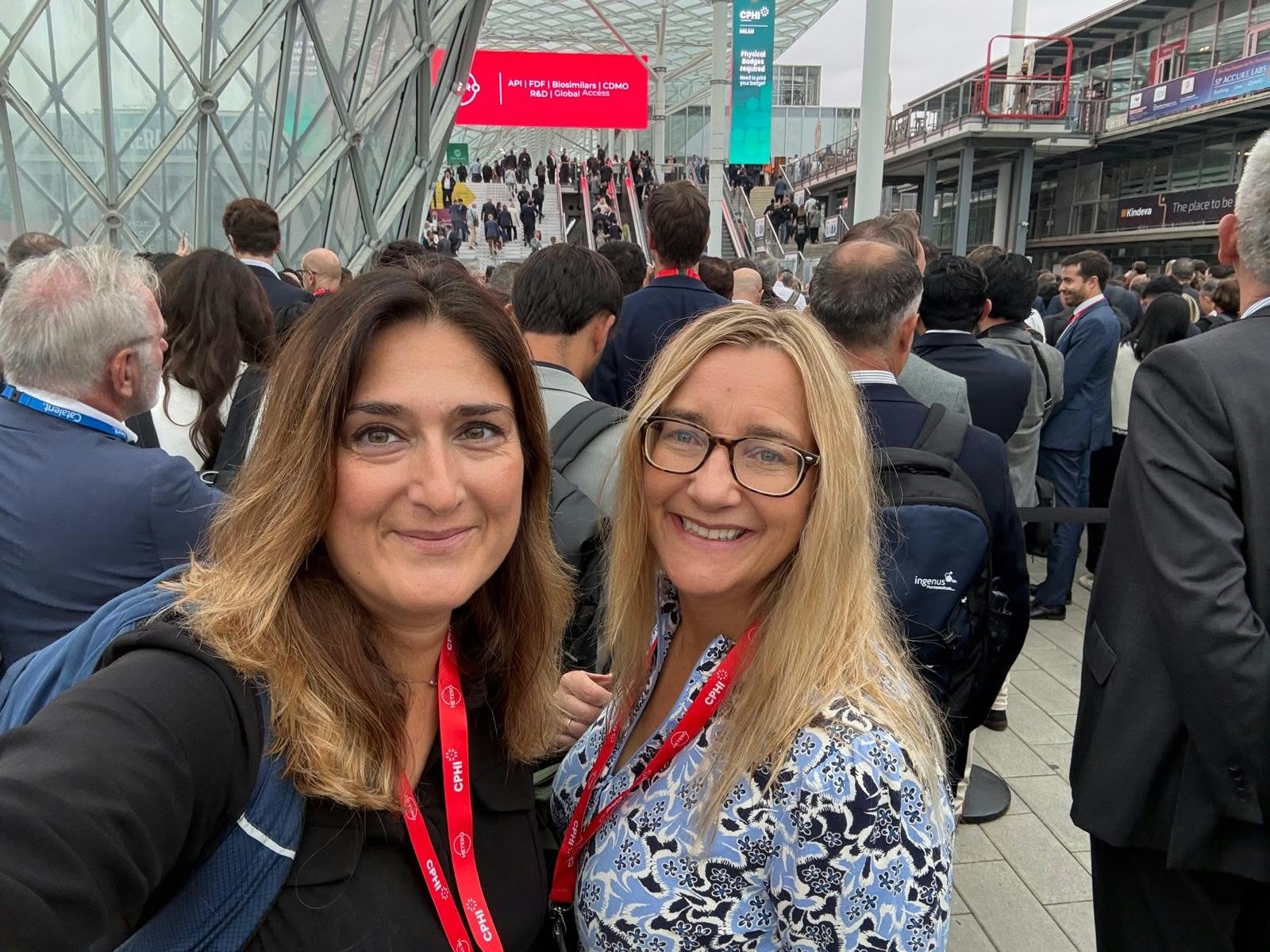
CPHI Europe 2026 in Milan certainly didn't disappoint! Annabel and I headed to the host city for two days of networking, reconnecting with familiar faces and meeting prospective clients from across the sector.
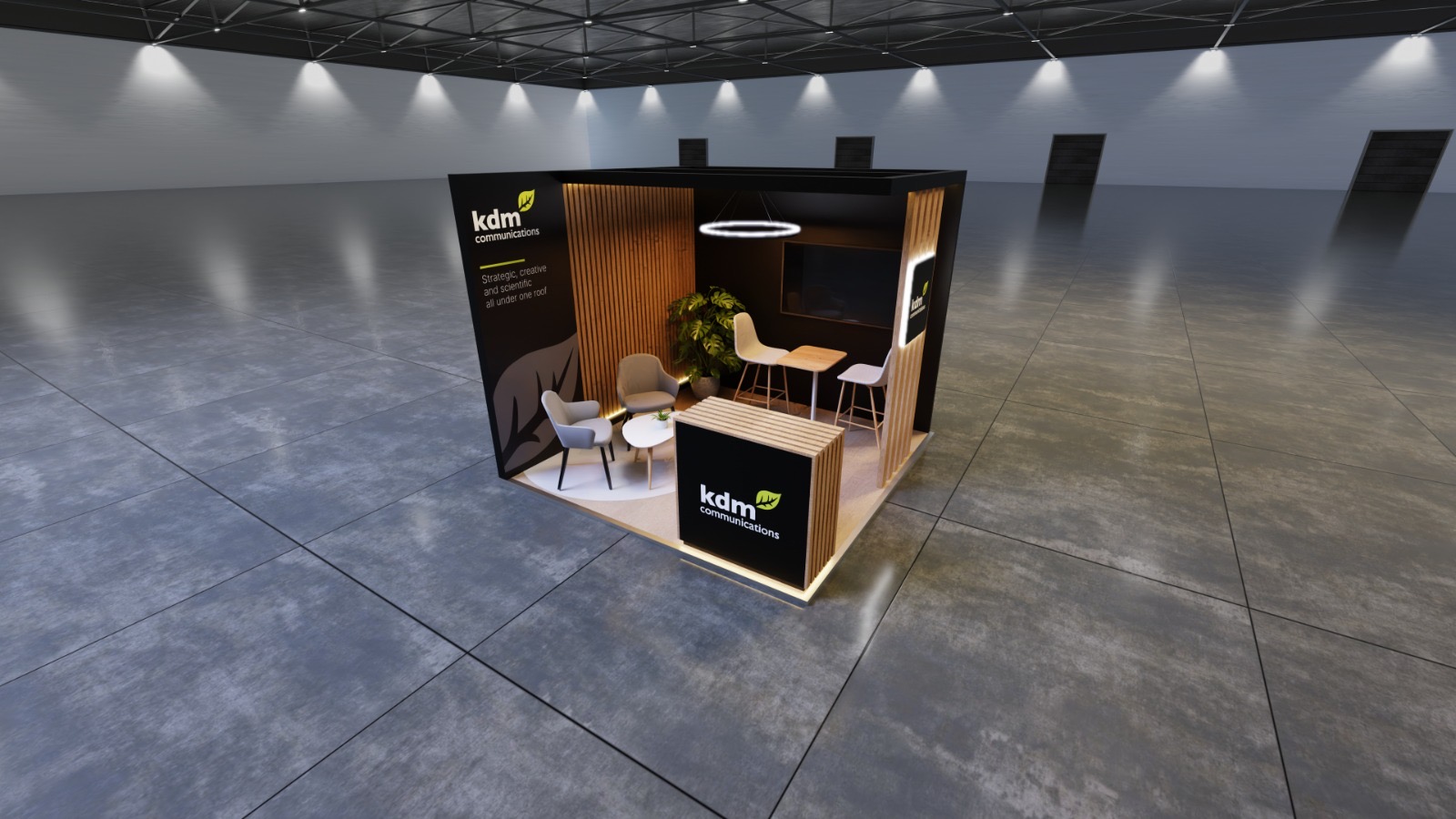
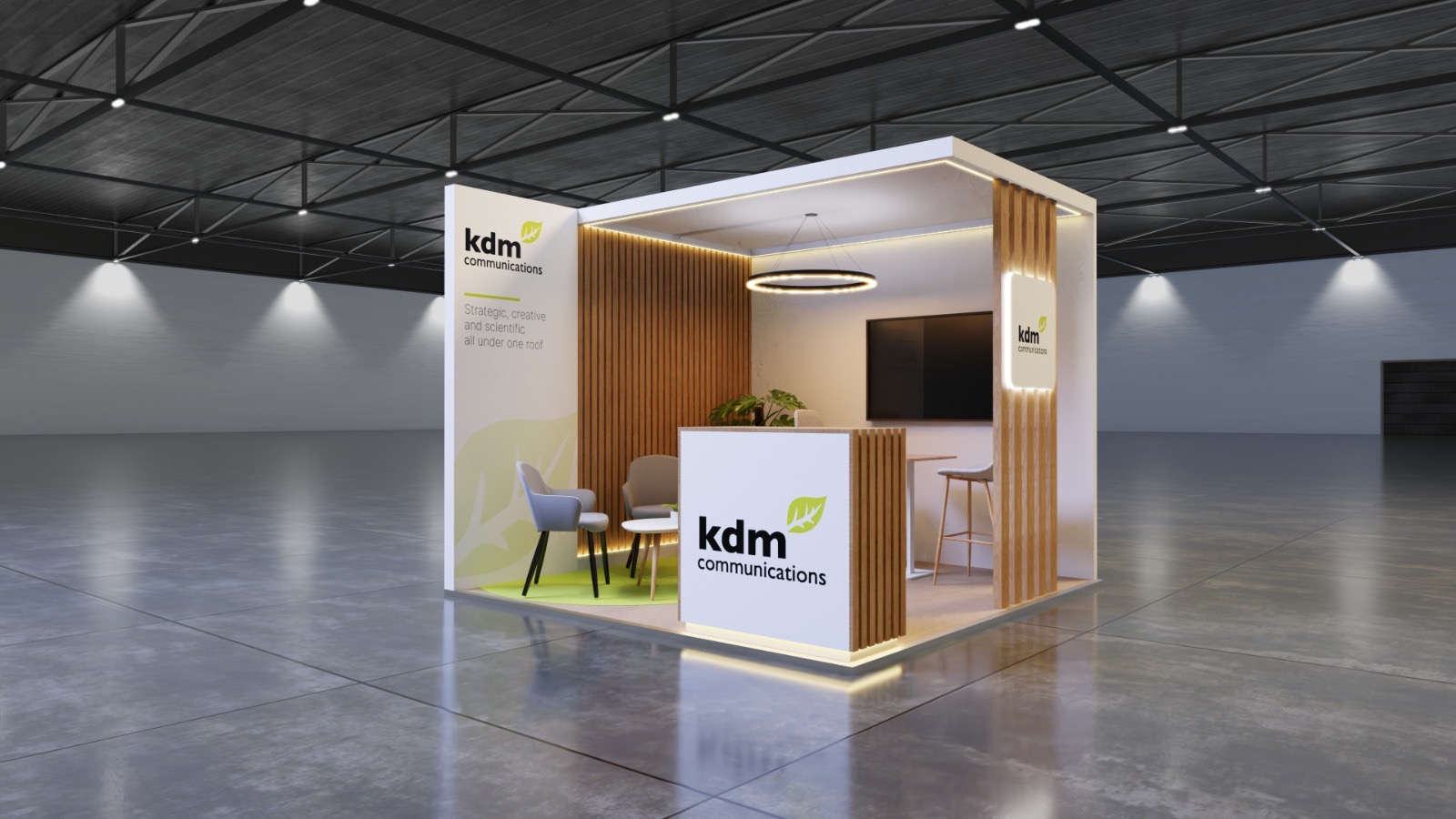
Exhibitions are a valuable opportunity for life sciences companies to meet customers, launch products, strengthen relationships and generate new leads.

An exhibition is one of the best opportunities in the calendar to build lasting thought leadership, positioning your subject matter experts – not just your products – as voices the industry turns to and listens to.

Too many white papers fail to capture attention, let alone drive meaningful engagement, but the problem isn't usually the quality of the science – it's how the white paper is conceived, written, structured and promoted.