Share
Growing up as a gay man, I’ve always considered myself very lucky; I am part of a loving, accepting and open-minded family, and have the privilege of having had LGBTQ+ role models to look up to and show me that it was possible to live a happy, successful and loving life as a gay person. However, one area I was admittedly ignorant about until my early 20s was HIV. Granted, I was aware of what it was but, aside from a few hushed sentences in PSHE (Personal, Social, Health and Economic studies) lessons at school, it was not really something that crossed my mind, other than the very basic, archaic view of a positive diagnosis being a certain death sentence.
In recent years, I’ve seen myself and my LGBTQ+ peers grow and improve our knowledge of HIV, however, it seems that my age group in the wider sense – and also both older and younger groups – still seems largely uninformed. For example, the existence of, and availability of, PrEP – a huge breakthrough for sexually-active people everywhere, no matter their sexuality – has not been widely publicised, despite it being freely available on the NHS in the UK.
Despite the lack of headlines, there is still loads of great work going on quietly behind the scenes, as I discovered when I read the below article, discussing how CRISPR technology is being used in ground-breaking research to help end HIV/AIDS as we know it. Seeing this article land in my inbox made me realise just how lucky I am to work at kdm. Before I worked here, I would never have even considered actively seeking out scientific publications and articles, but my colleagues and experience at kdm have taught me the importance of science in our everyday lives, and given me the opportunity to expand my knowledge and share it with those around me.
It’s incredible to think that a cure for HIV will almost certainly be achieved in my lifetime. However, with that awe comes a tinge of sadness for all of those who were lost – mainly from the queer community – and those who were affected by the shame, stigma and misunderstanding surrounding the condition. As such, during the month of June – designated Pride Month – while I’ve been proud, celebratory and happy, I’ve also taken moments to remember those whose stories we will never hear, and celebrate those who were gone too soon, in the hope that science, discussion and education can help end the stigma once and for all.
Knocking out HIV: Two Approaches, One Goal | Drug Discovery News
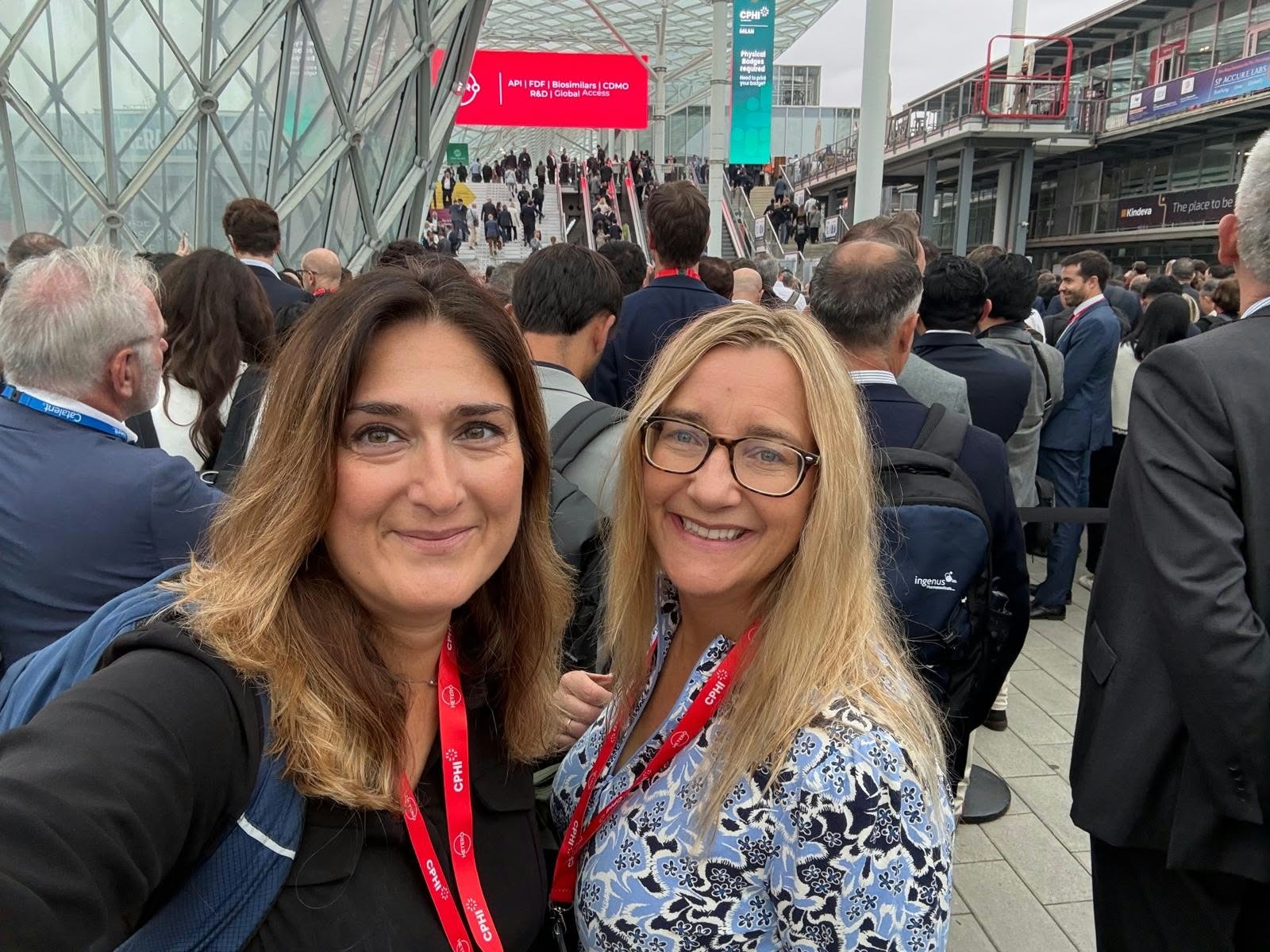
CPHI Europe 2026 in Milan certainly didn't disappoint! Annabel and I headed to the host city for two days of networking, reconnecting with familiar faces and meeting prospective clients from across the sector.


Exhibitions are a valuable opportunity for life sciences companies to meet customers, launch products, strengthen relationships and generate new leads.

An exhibition is one of the best opportunities in the calendar to build lasting thought leadership, positioning your subject matter experts – not just your products – as voices the industry turns to and listens to.

Too many white papers fail to capture attention, let alone drive meaningful engagement, but the problem isn't usually the quality of the science – it's how the white paper is conceived, written, structured and promoted.