Share
They say that a picture speaks a thousand words, but, in many cases, you didn’t need to use a thousand words in the first place.
There is an unfortunate tendency, particularly in scientific and technical marketing, to assume that the more words you use, the better it sounds. That might be OK for a scientific paper trying to convey a complex subject to a highly specialised audience, but it doesn’t exactly make for easy reading.
The aim of marketing collateral is to explain the benefits of your product or service in the simplest terms, to the broadest possible audience. Dressing up your message in overly formal, unnecessarily complex language poses a serious risk of alienating potential customers – especially if that message isn’t in their first language.
Simplifying your message and using more accessible language can go a long way to improving awareness of what you can offer, driving brand awareness and (hopefully) sales.
So next time you think about writing ‘Our solutions portfolio includes a range of flexible and scalable options designed to…’, just say ‘We can help you to…’ instead!
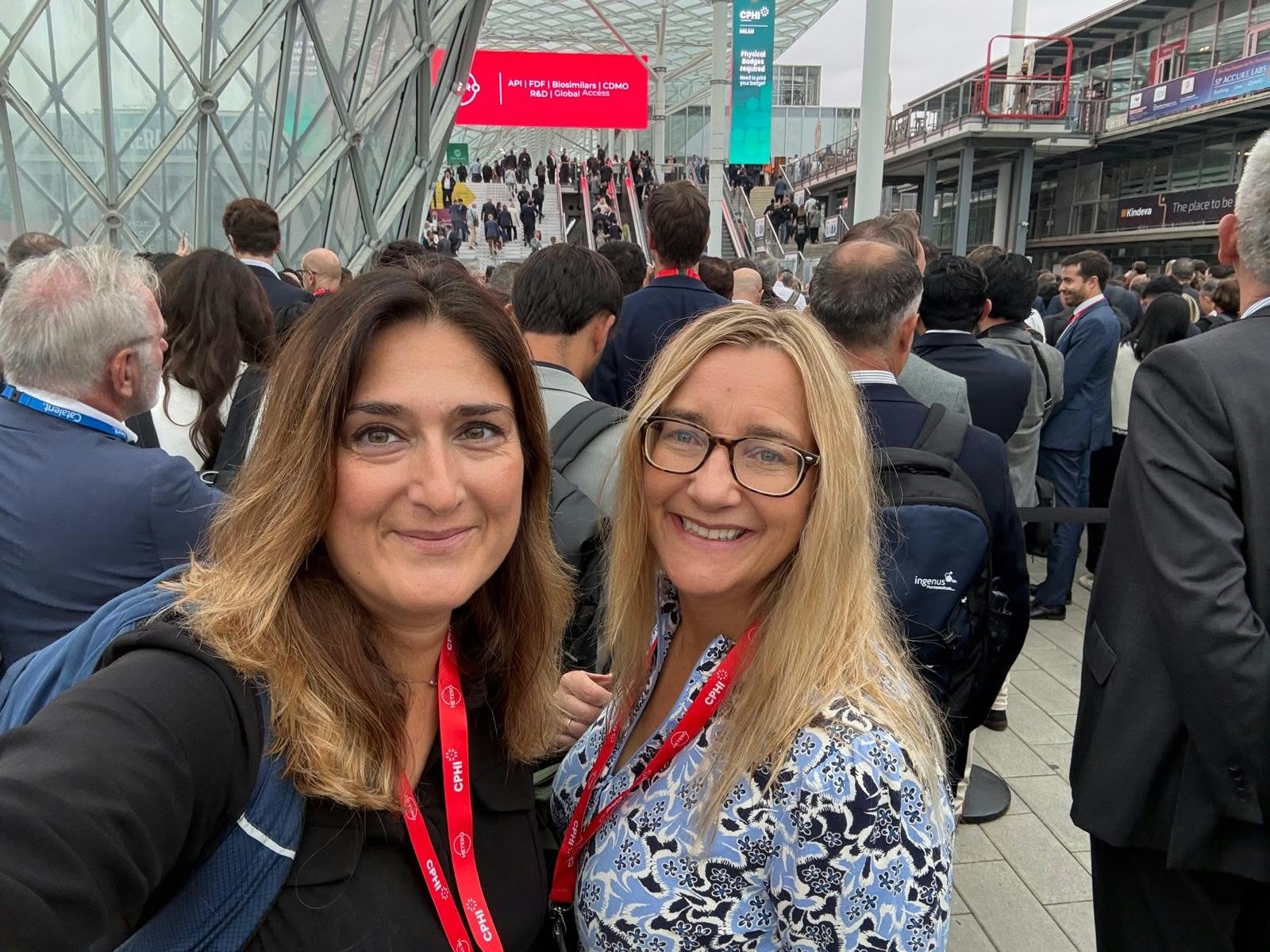
CPHI Europe 2026 in Milan certainly didn't disappoint! Annabel and I headed to the host city for two days of networking, reconnecting with familiar faces and meeting prospective clients from across the sector.
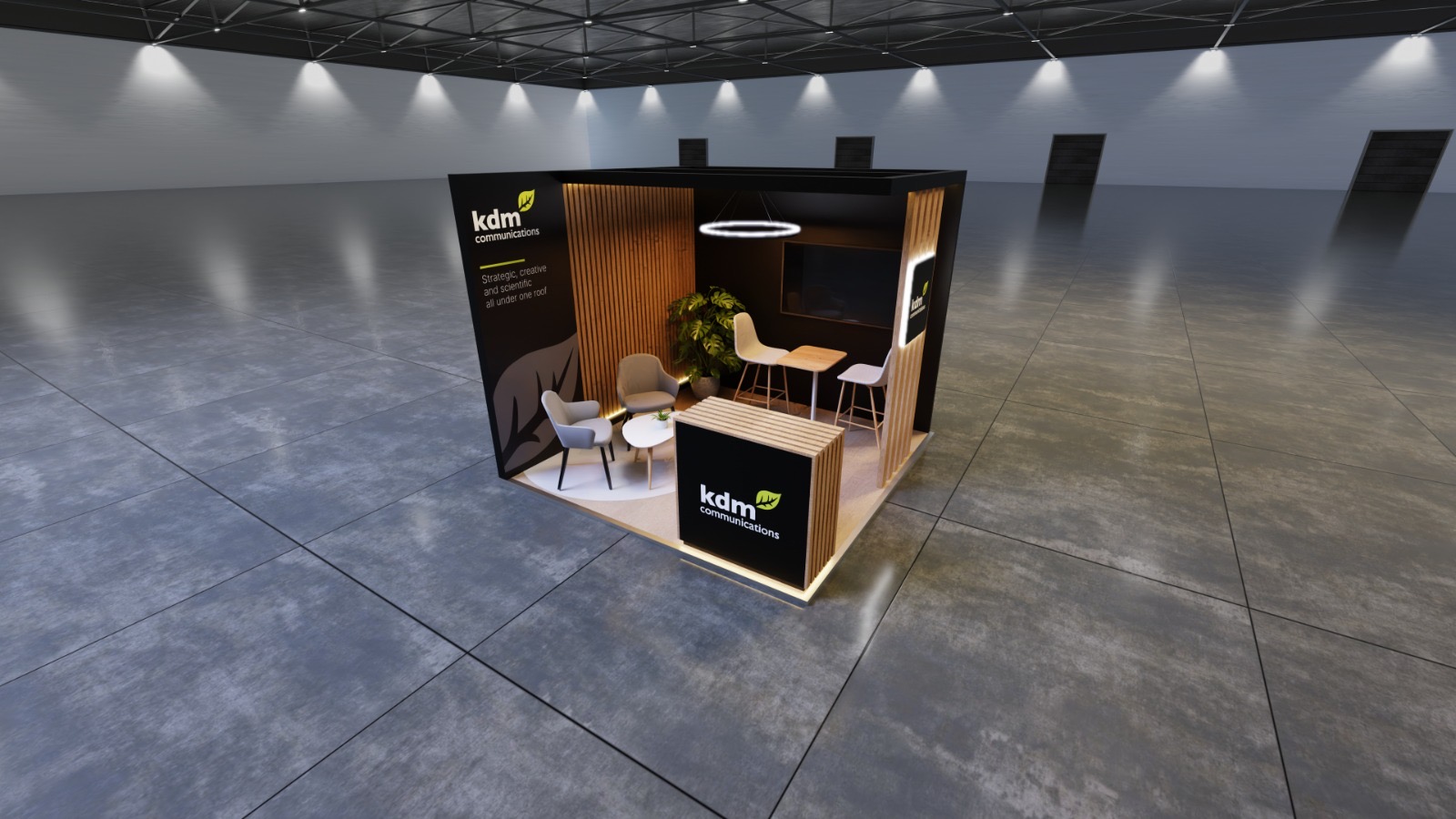
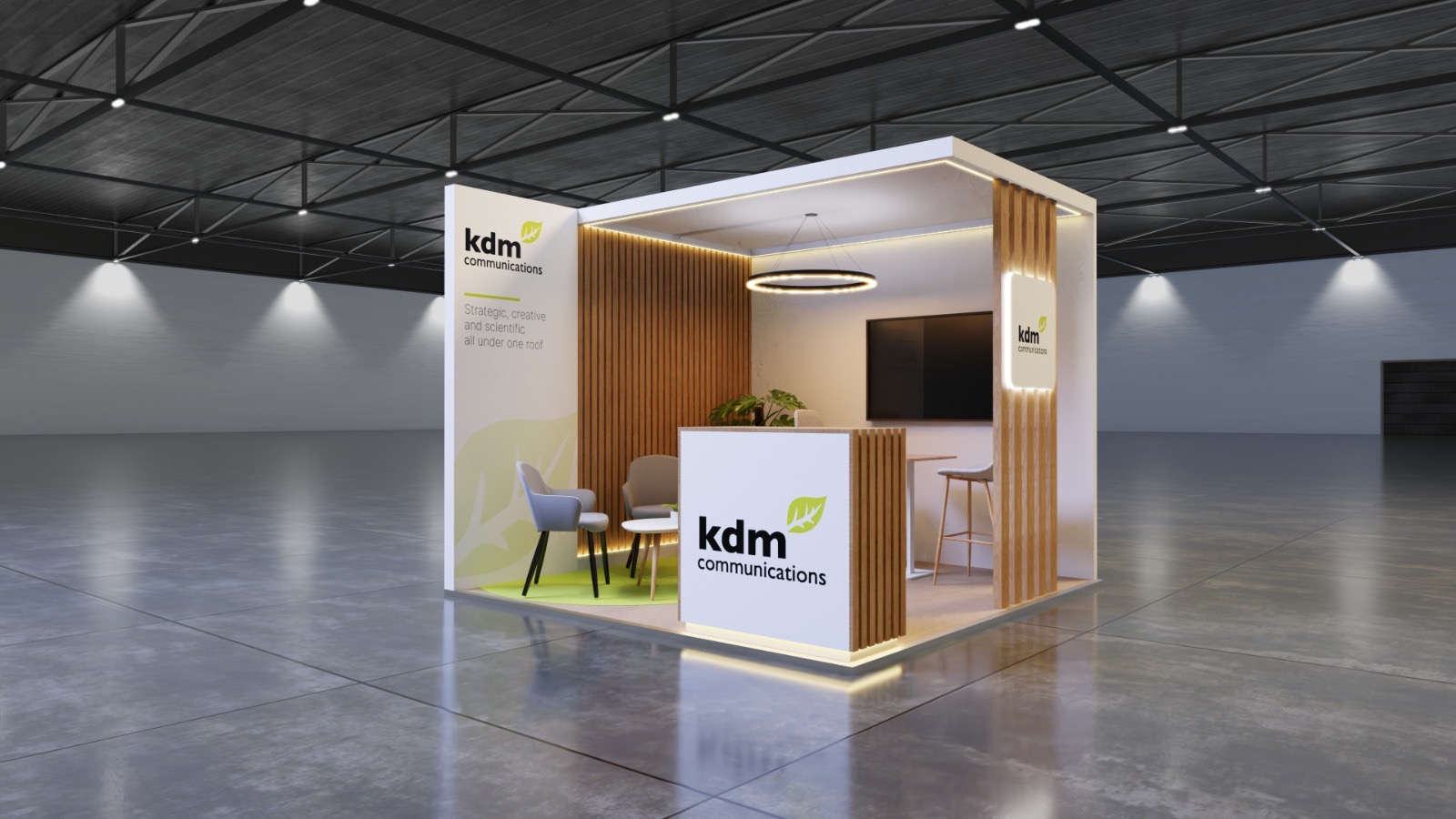
Exhibitions are a valuable opportunity for life sciences companies to meet customers, launch products, strengthen relationships and generate new leads.

An exhibition is one of the best opportunities in the calendar to build lasting thought leadership, positioning your subject matter experts – not just your products – as voices the industry turns to and listens to.

Too many white papers fail to capture attention, let alone drive meaningful engagement, but the problem isn't usually the quality of the science – it's how the white paper is conceived, written, structured and promoted.