Share
What Sir David Attenborough teaches us about scientific communication
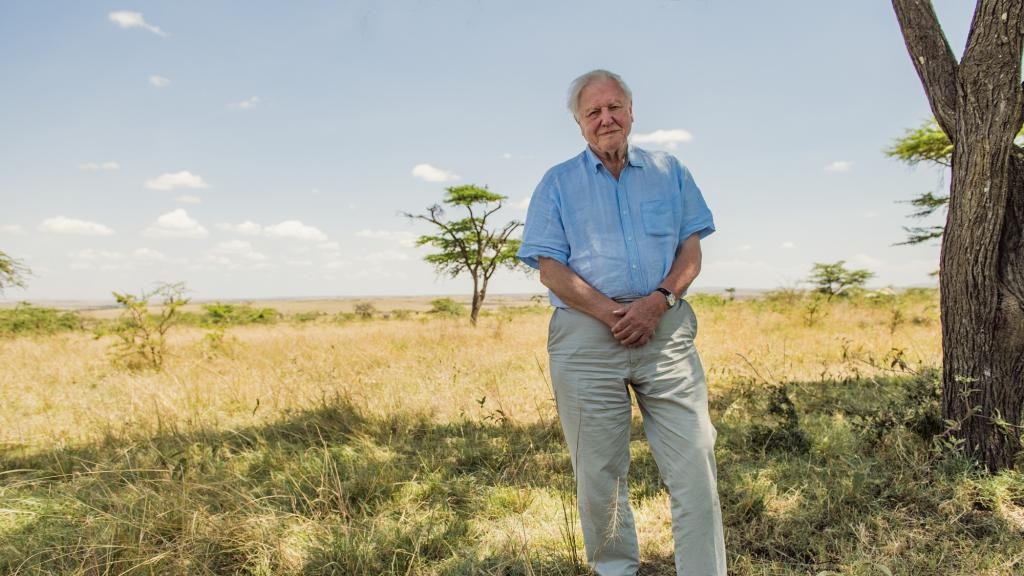
On the 8th of May 2026, Sir David Attenborough celebrated his 100th birthday. The tributes came from everywhere: the King and Queen sent personal messages, scientists named a newly discovered parasitic wasp in his honour, and a birthday gala concert was held at the Royal Albert Hall. When a scientist’s work is so beloved, resonating across the globe, it is worth asking: what exactly did he get so right? The answer has everything to do with scientific communication, and there are certainly lessons that those of us in life sciences marketing can learn!
The secret is in storytelling, not lecturing
Before Sir David, broadcast science was presented much like the news, with presenters standing at a lectern, explaining to camera. He shifted this paradigm, taking the audience with him into the field, allowing him to show rather than tell. There is no better example than the now-legendary footage, filmed in Rwanda in 1978, for the BBC’s Life on Earth: two young mountain gorillas playing with Sir David in the undergrowth, their mother watching quietly nearby. Moments like this don’t require a lecture or narration explaining how the viewer should feel. Instead they promote curiosity, and leave memories that last for decades.
This is the distinction that separates effective life sciences communication from the kind that quietly disappears. Too much scientific communication is ‘telling’. This goes for B2B scientific marketing too, which often involves listing features and stating specifications, with the assumption that the audience will do the emotional work themselves if the data is compelling enough. They rarely do.
The most powerful content in life sciences marketing does the same thing that Sir David does: brings the audience into the story. Powerful content might describe a clinician facing a real diagnostic challenge, and show how your technology changes the outcome. It provides a name and a context to the problem your product solves, before it ever explains the mechanism by which it solves it. The story opens the door to the audience, and everything else can then follow.
Scientific credibility is the non-negotiable starting point
Great storytelling in science only works if the science is solid. Sir David studied geology and zoology at Cambridge, and it was that grounding that underpinned his work. The wonder he communicated was genuine, because the accuracy was unimpeachable. Audiences trusted him precisely because he never simplified to the point of distortion.
This matters enormously in life sciences marketing, where oversimplification is a credibility risk. The audiences that life sciences companies need to reach – from laboratory researchers to clinical directors to procurement specialists – often have decades of experience and technical knowledge. They will immediately notice when the science has been hollowed out to suit a headline and, when they do, the brand pays for it in lost credibility, which is almost impossible to regain.
At kdm, our content creation and technical writing teams are built around this principle. We combine in-house scientific expertise – with many of the team having postgraduate research backgrounds across life sciences and related disciplines – with decades of experience in scientific marketing to produce content that satisfies a specialist’s scrutiny and a marketing director’s brief at the same time.
What a 100-year legacy can teach life sciences brands
Sir David has not simply taught people more about the natural world, he’s made them feel something about it, and that feeling has shaped public policy, conservation funding and individual behaviour on a global scale. He did not just inform his audience, he moved them to act by creating an emotional connection.
That is the ambition of transformative life sciences marketing. It is not enough for your audience to understand your technology at a rational level. They need to feel the weight of the problem it addresses, the elegance of the science behind the solution, and have genuine confidence in the organisation standing behind the product. Understanding gets you consideration, feeling gets you commitment.
Sir David himself, reflecting on his century of work, said he was “completely overwhelmed” by the messages that he received from so many places, from school groups to nursing homes, and everyone in between. The measure of truly great communication is never the content itself. It is the connection that content builds, and how long that connection lasts.
Image credit: WWF

About the author – Jane Wallett, Agency Director
Jane has more than 27 years of copywriting experience, but she began her career in a very different environment – an NHS clinical diagnostics laboratory. She studied a BSc in biomedical sciences at Birmingham City University…
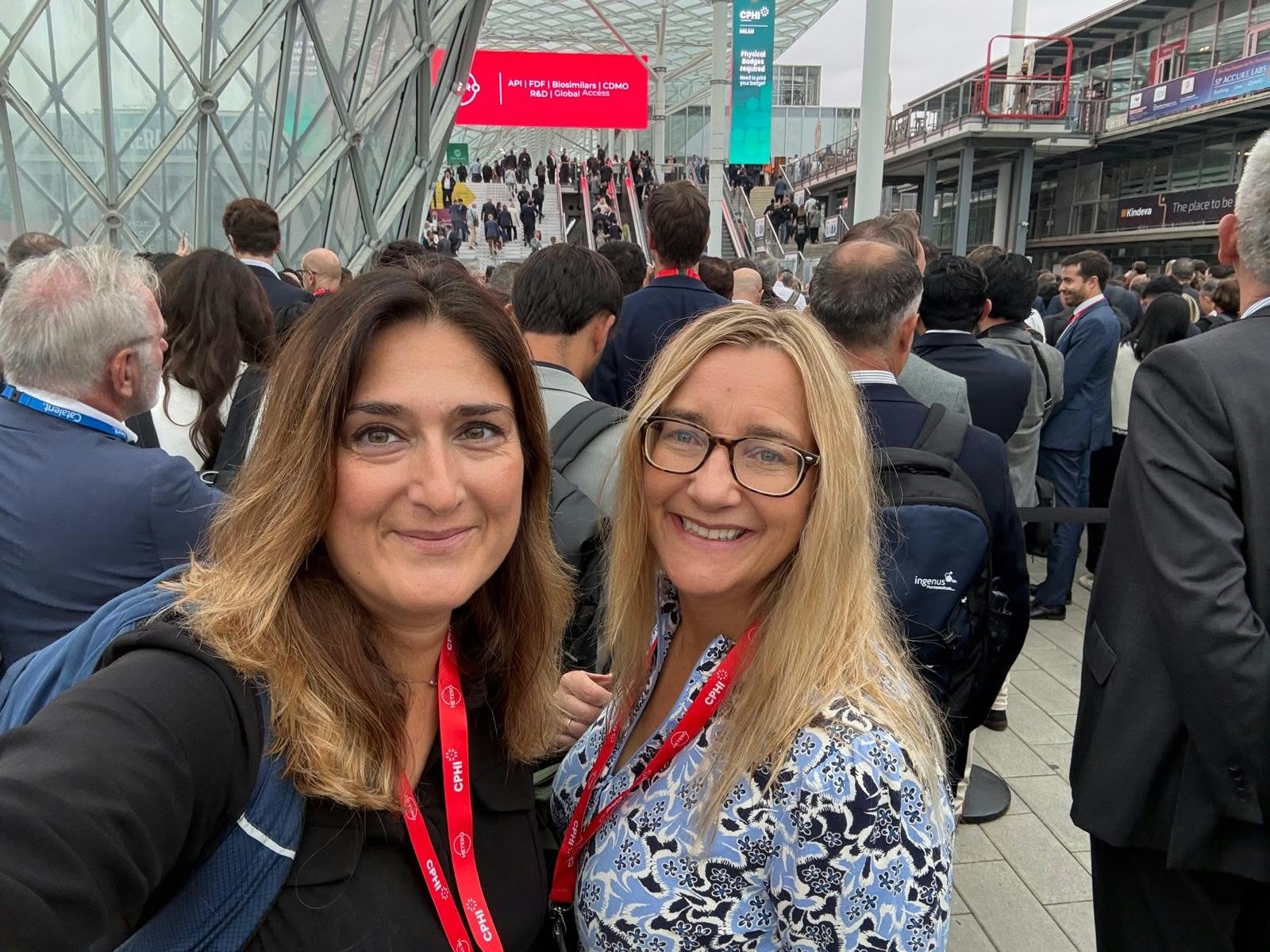
CPHI Europe 2026 in Milan certainly didn't disappoint! Annabel and I headed to the host city for two days of networking, reconnecting with familiar faces and meeting prospective clients from across the sector.


Exhibitions are a valuable opportunity for life sciences companies to meet customers, launch products, strengthen relationships and generate new leads.

An exhibition is one of the best opportunities in the calendar to build lasting thought leadership, positioning your subject matter experts – not just your products – as voices the industry turns to and listens to.

Too many white papers fail to capture attention, let alone drive meaningful engagement, but the problem isn't usually the quality of the science – it's how the white paper is conceived, written, structured and promoted.