Share
Every now and then we have office brainstorming sessions that not only involve huge amounts of cake (should I say cake is international?), but also new ideas for clients’ projects, e.g. ideas for rebranding strategies, exploring strapline options, ad themes, etc. Working in scientific marketing one would think that working across different cultures is not too challenging. After all science is international.
But is marketing as well? Not necessarily. Some marketing strategies are more successful in some countries than they are in other countries. Some slogans are funny and catching in one language and when translated either totally miss the point or, even worse, are offensive. And some ideas simply do not translate into other cultures and languages at all.
Our team here at kdm communications is very international and our knowledge of languages and cultural peculiarities ranges from French, Spanish, Italian and German to Japanese and Mandarin Chinese. Being a native German speaker, I find myself quite often dampening the flow of the creative juices during the abovementioned brainstorming sessions by pointing out that a certain idea doesn’t translate well into German and we need to explore other options. After all we want to offer our clients the best services – technical writing, scientific content and intercultural compatibility.
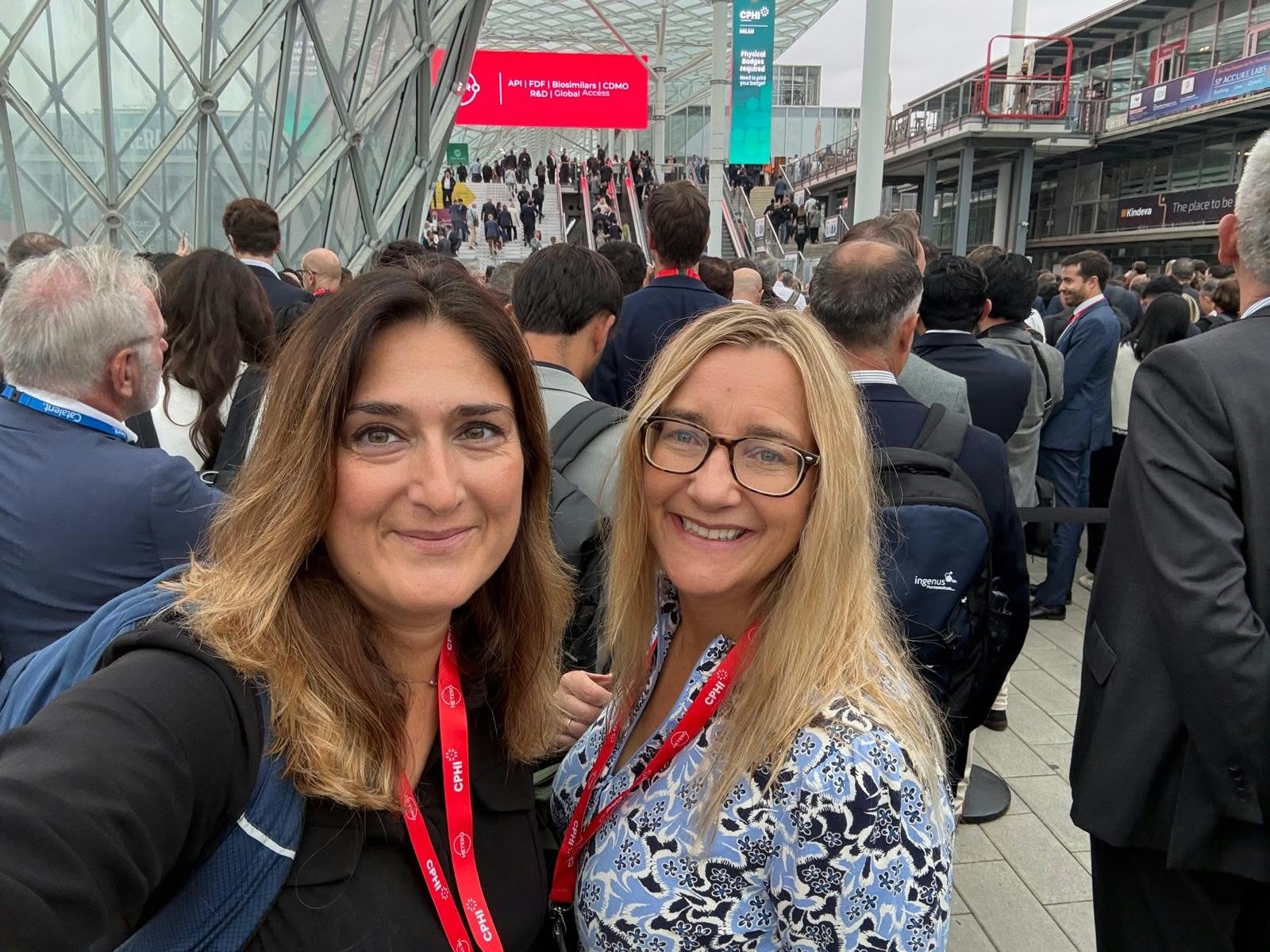
CPHI Europe 2026 in Milan certainly didn't disappoint! Annabel and I headed to the host city for two days of networking, reconnecting with familiar faces and meeting prospective clients from across the sector.


Exhibitions are a valuable opportunity for life sciences companies to meet customers, launch products, strengthen relationships and generate new leads.

An exhibition is one of the best opportunities in the calendar to build lasting thought leadership, positioning your subject matter experts – not just your products – as voices the industry turns to and listens to.

Too many white papers fail to capture attention, let alone drive meaningful engagement, but the problem isn't usually the quality of the science – it's how the white paper is conceived, written, structured and promoted.