Share

In a world dominated by digital communications – from email and instant messaging to video calls and webinars – it’s easy to overlook the power of in-person interactions. However, in the field of life sciences marketing, face-to-face meetings and conversations are not-so-secret weapons for securing valuable press opportunities and building strong relationships with editors.
kdm communications oversees many interactions between our clients and the media, including attending events. Managing press relations is no easy feat, but it plays an important role in enhancing visibility and nurturing lasting connections within the industry. I attended ACHEMA 2024 – the world’s leading trade show for process industries – in early June, and I would like to share the insights that I gained.
Powering up press relations
Rigorous preparation for press relations events is vital to ensure that editors are aware of your client’s attendance and plans. It starts with finding out who is attending – as well as who might be interested in your client’s activities, despite not attending – then reaching out to all the relevant editors, and inviting them to visit your client’s stand. Next, you need to distribute a press release detailing a product launch, exclusive unveiling, or your client’s planned showcases. Of course, you also need to follow up with interested parties to confirm everything just before the event. And that’s before you’ve even arrived.
‘Press’ play: lights, camera, ACHEMA!
Once you’re on site, this is where things get busy, so we sincerely hope you’ve had at least eight hours of sleep the night before! Press relations usually only span a few days, but it’s non-stop the entire time – visiting the relevant publications’ booths, arranging meetings with editors, and using these opportunities to introduce yourself, KOLs, your client and their specialty. And you’ll want comfortable shoes, as navigating the large and often confusing layouts of these events can easily see you logging over 20,000 steps a day.
Face-to-face interactions with editors are crucial because, like us, they receive far too many emails a day. Make the most of these meetings by preparing thoroughly, arriving promptly, taking notes, and listening attentively for key phrases like ‘our next feature is…’, ‘we’d love to cover…’, or ‘we have a post-event issue…’. These moments present an opportunity to propose article ideas and snap up editorial opportunities. After each discussion, have a quick recap to ensure you noted everything down – you’ll need this for your post-event follow-up.
Editorial encore: post-ACHEMA antics
Once you’re finally back home, it’s crucial to touch base with your contacts from the event again as soon as possible. Provide a general overview of your client to remind the editors of their specialties, reiterate what was discussed, and always ask for additional information like their yearly editorial calendar and any media-related costs. Your client will be fresh in editors’ minds, and they should remember the impactful conversations and editorial opportunities that they offered to you.
Finally, once the dust has settled, you can draft your all-important press relations report, including a brief outline of the client’s unique selling points (USPs), all the appointments secured, and details of editors interested in future meetings. You should provide in-depth information about each prospective publication – including editors’ preferences, guidelines, and deadlines – as well as a table summary for easy visualisation. After proofreading, send the report to your client, and start pursuing these opportunities!
‘Pressing’ ahead: from interactions to impact
Attending events like ACHEMA helps life sciences companies to establish relationships with media professionals and secure valuable media coverage that reaches a wider audience.
If you’re keen to showcase your scientific expertise and feature in top publications, contact us today!
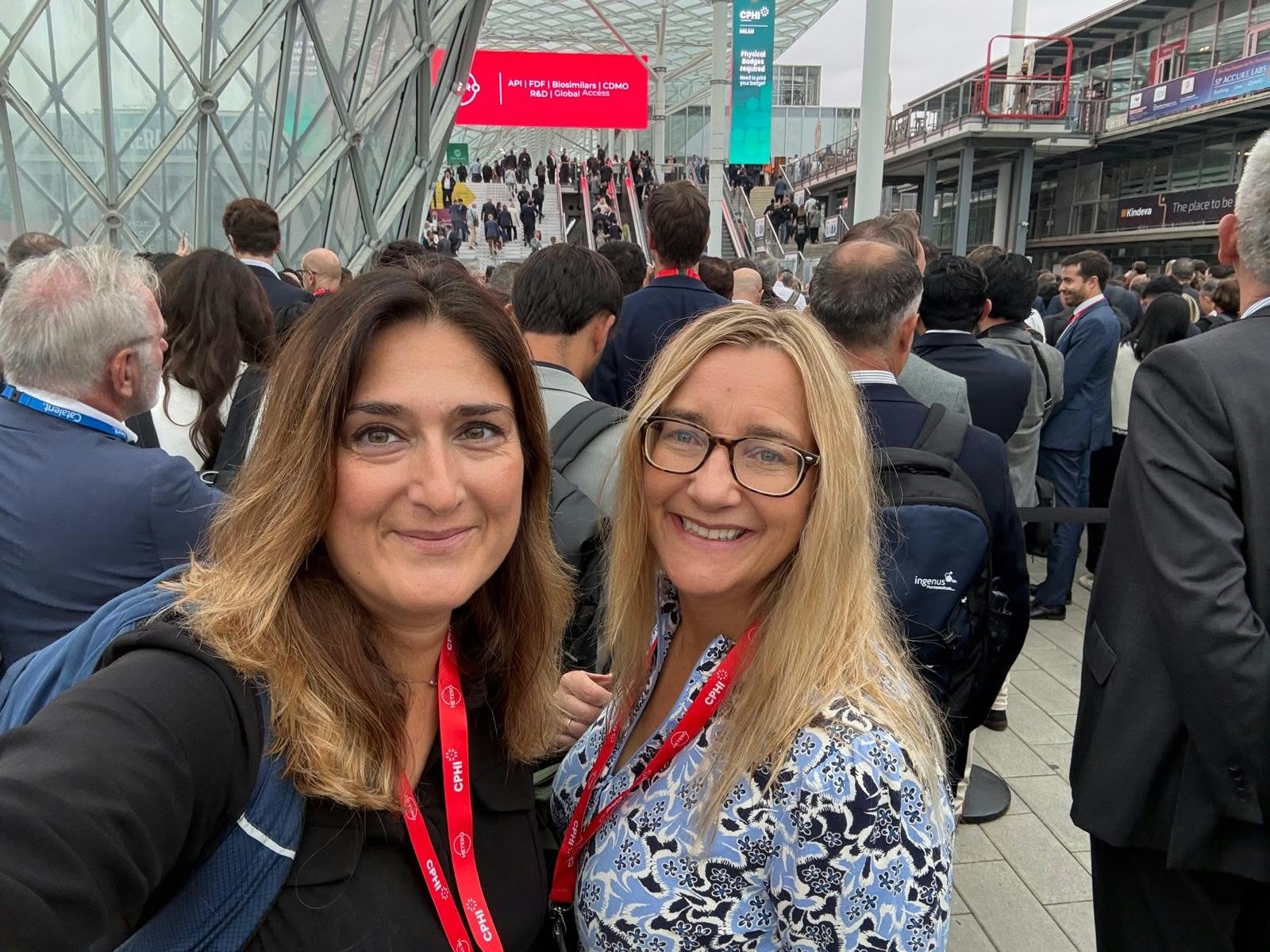
CPHI Europe 2026 in Milan certainly didn't disappoint! Annabel and I headed to the host city for two days of networking, reconnecting with familiar faces and meeting prospective clients from across the sector.
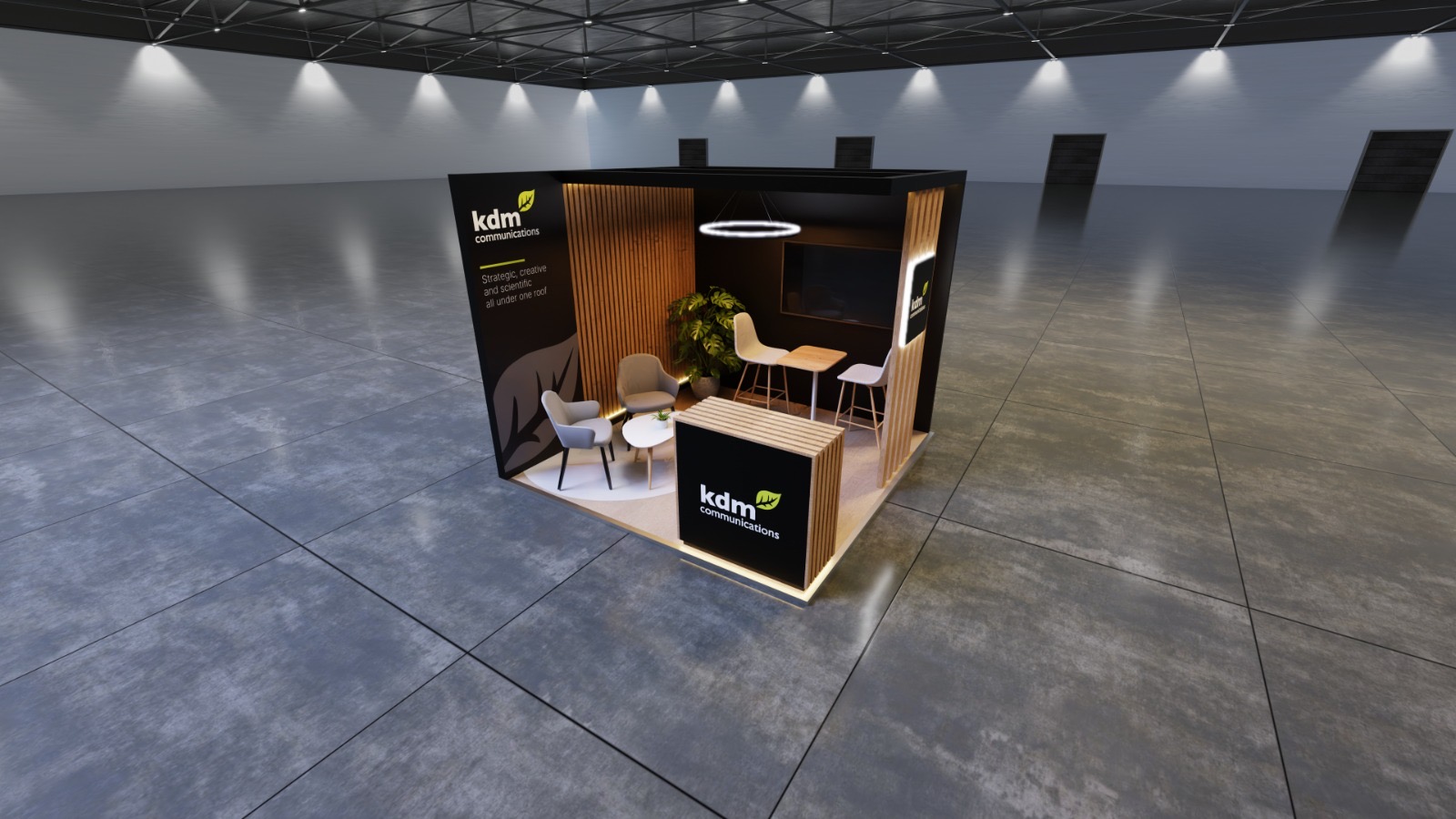
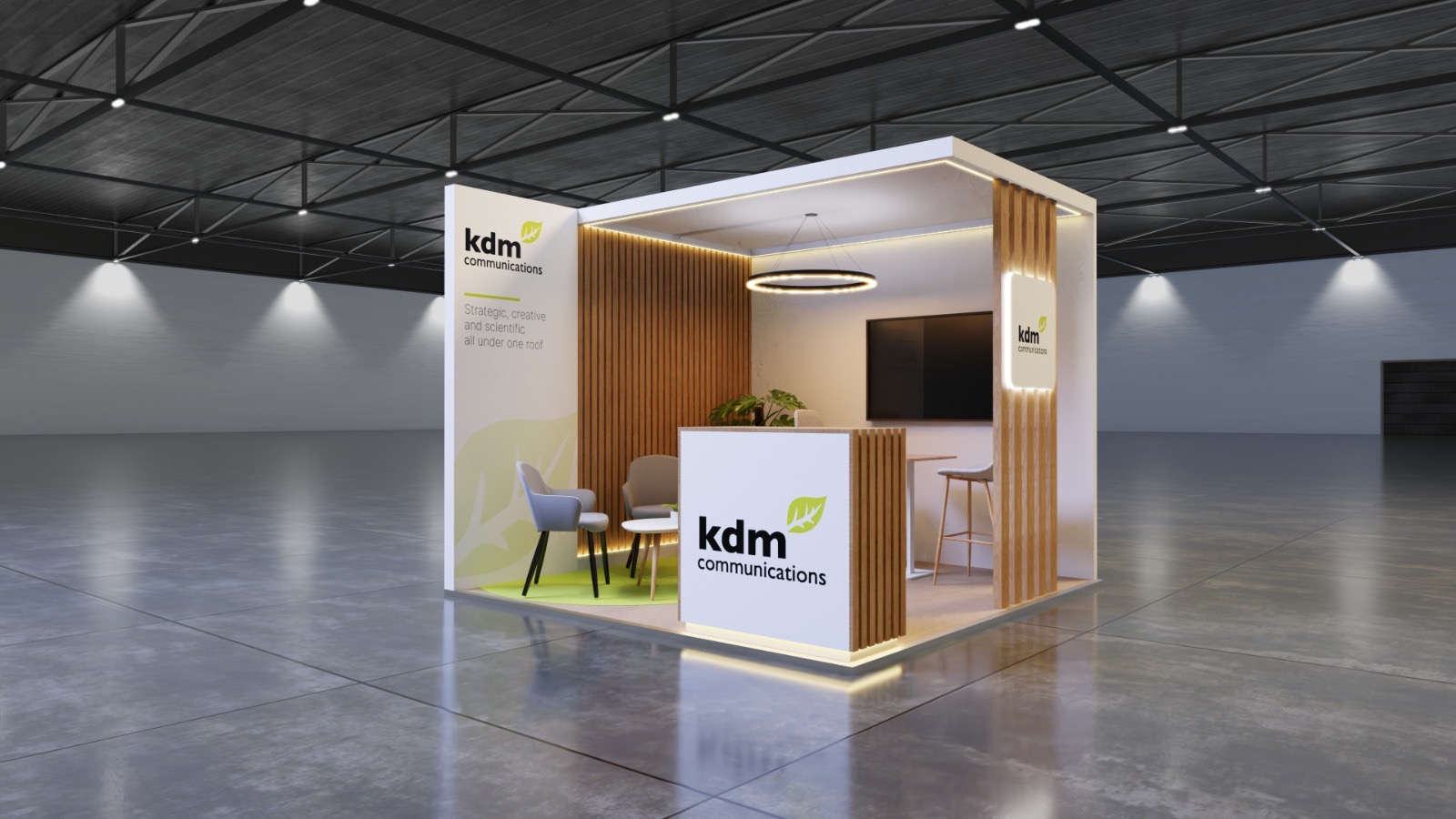
Exhibitions are a valuable opportunity for life sciences companies to meet customers, launch products, strengthen relationships and generate new leads.
An exhibition is one of the best opportunities in the calendar to build lasting thought leadership, positioning your subject matter experts – not just your products – as voices the industry turns to and listens to.
Too many white papers fail to capture attention, let alone drive meaningful engagement, but the problem isn't usually the quality of the science – it's how the white paper is conceived, written, structured and promoted.