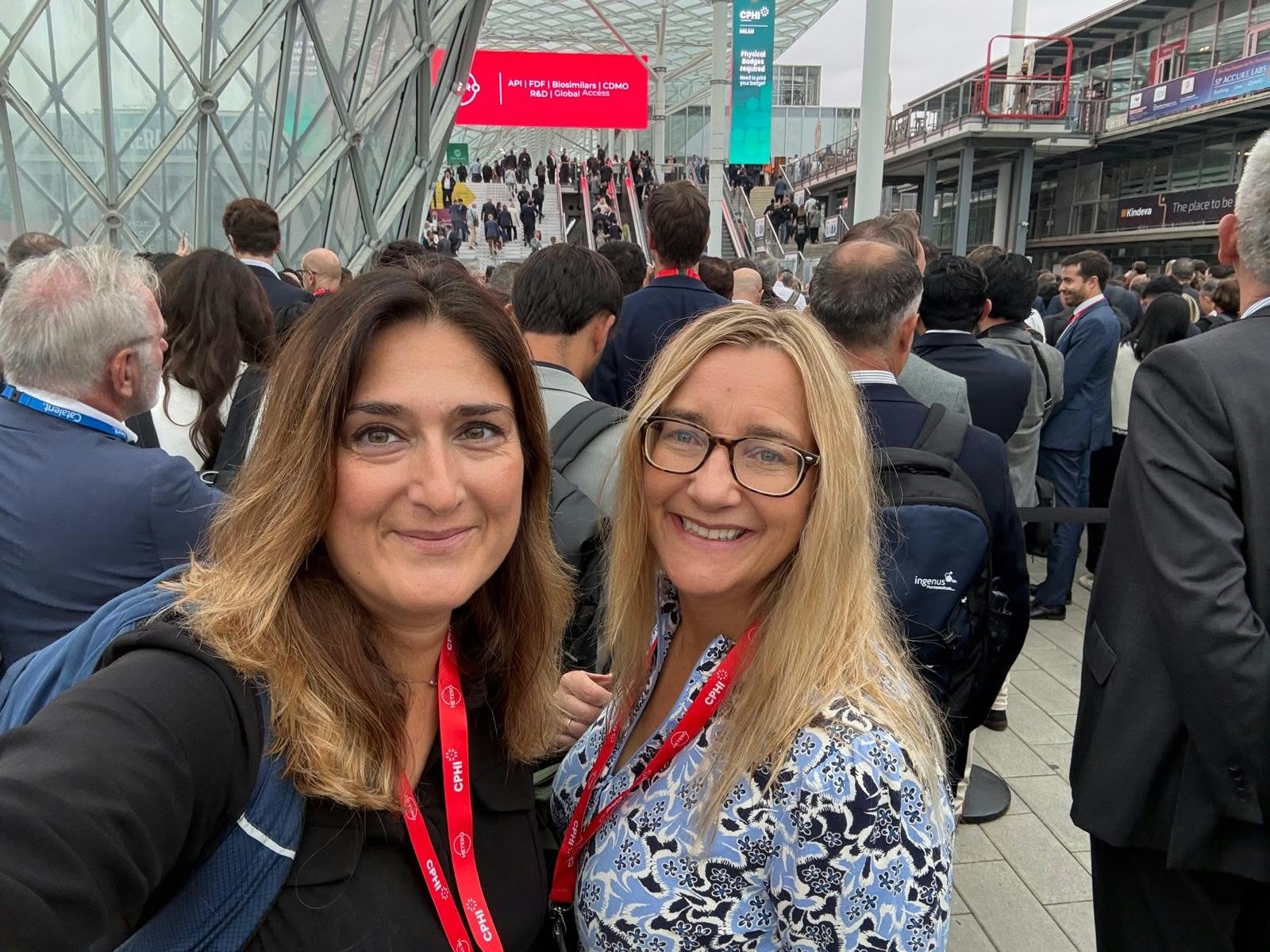
CPHI Europe 2026 in Milan certainly didn't disappoint! Annabel and I headed to the host city for two days of networking, reconnecting with familiar faces and meeting prospective clients from across the sector.


Exhibitions are a valuable opportunity for life sciences companies to meet customers, launch products, strengthen relationships and generate new leads.

An exhibition is one of the best opportunities in the calendar to build lasting thought leadership, positioning your subject matter experts – not just your products – as voices the industry turns to and listens to.

Too many white papers fail to capture attention, let alone drive meaningful engagement, but the problem isn't usually the quality of the science – it's how the white paper is conceived, written, structured and promoted.

Choosing a marketing agency for your life sciences company isn’t like picking a supplier for lab consumables. There’s no spec sheet. No clear performance metrics you can compare side by side. Agencies don’t come with technical data sheets listing their capabilities in neat, quantifiable rows. The life sciences marketing landscape has become increasingly specialised. Generic B2B

Event marketing represents one of the largest line items in most life sciences marketing budgets, yet it's often one of the least accountable.

The renewable energy sector faces unique communication challenges. The sector is experiencing huge growth, and technologies are rapidly evolving while regulatory frameworks – which already vary significantly by region – struggle to keep up with innovation.
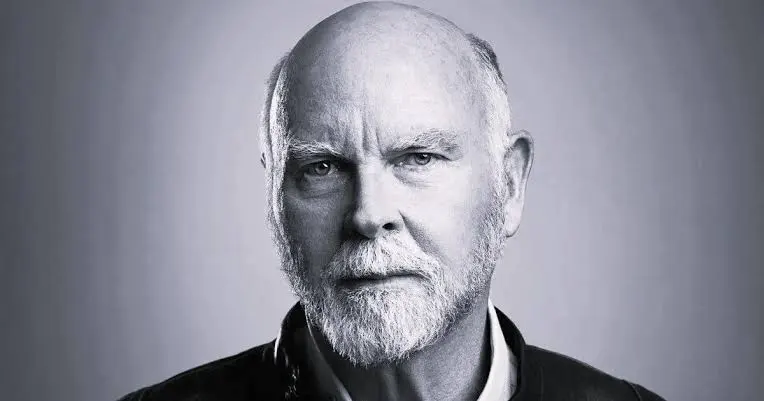
On 29th of April 2026, the life sciences world lost one of its most compelling figures.was genomics pioneer who famously raced against the US government to sequence the human genome. He then went on to become one of the founders of synthetic biology and was, by almost any measure, a scientist who changed what the world

Influencer marketing in technical sectors operates under constraints that consumer influencer campaigns never face. Simply tracking likes and shares is not enough in the life sciences, diagnostics, healthcare and medical devices industries. You need to demonstrate genuine business impact and added value, while navigating complex scientific products, services, markets and lengthy sales cycles.

When a scientist’s work is so beloved, resonating across the globe, it is worth asking: what exactly did he get so right?