Let’s face it: science doesn’t always make for the easiest bedtime reading. From protein sequencing pathways to CRISPR workflows, the language of scientific innovation can be a little… dense.

Sales cycles are inherently long in the life sciences and healthcare spaces, with complex products and decision-makers that often demand substantial evidence before committing to a solution.
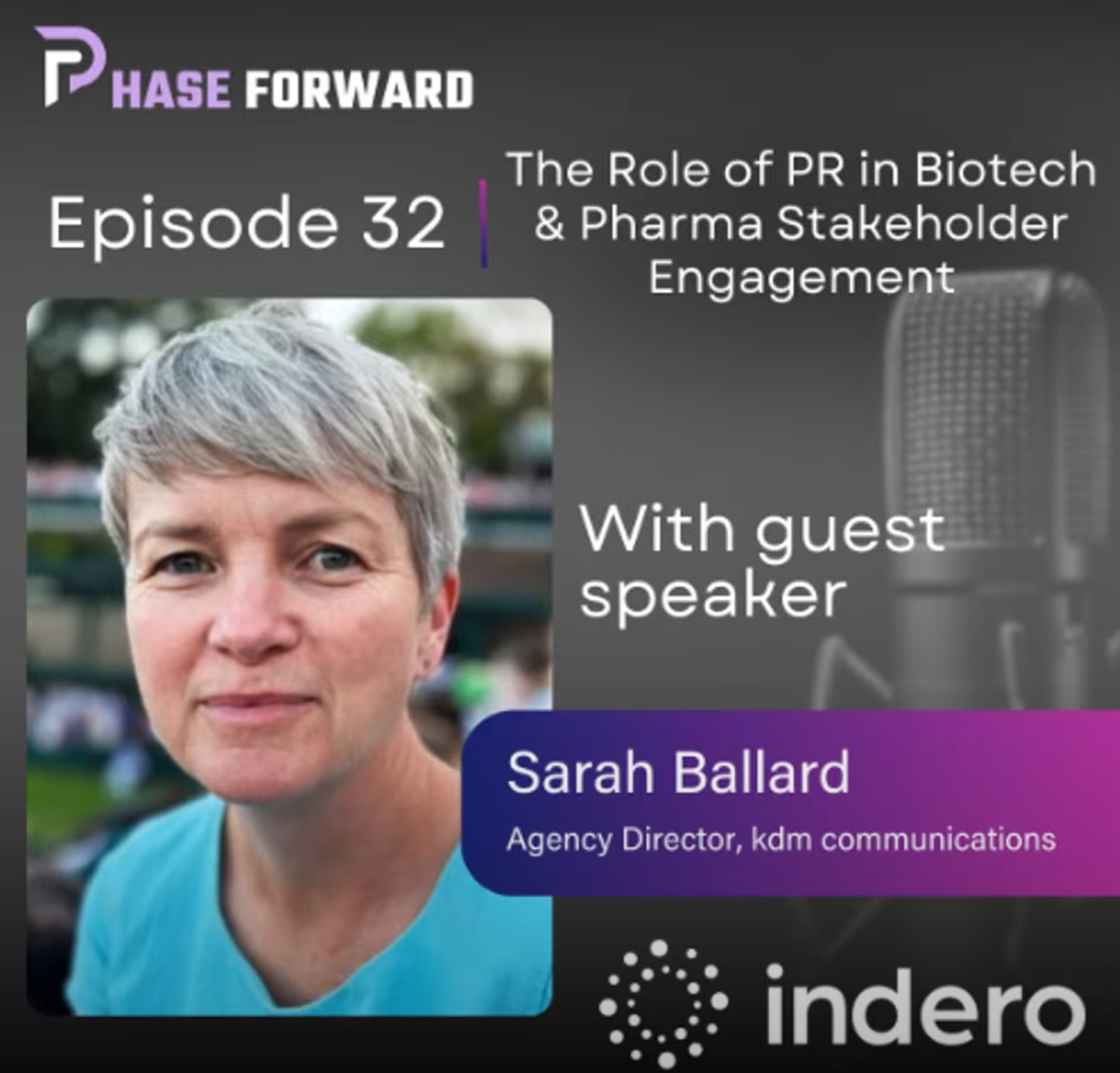
In this episode, Sarah Ballard, Agency Director at kdm communications, draws on over 20 years of experience in scientific, technical and medical B2B marketing to highlight how PR has evolved from a support function into a strategic differentiator, especially in the complex landscapes of biotech and pharma. Listen to this insightful podcast to hear the full

There is no doubt that, in an age of information overload, standing out is more challenging than ever, especially in the life sciences and healthcare markets.

Data-driven marketing is the practice of using measurable insights to inform, execute and refine your campaigns. It’s about continuous improvement and replacing assumptions with evidence.

This expert panel session, hosted by Annabel Sedgwick, owner and Managing Director of kdm communications, brings together leading editors to discuss how to successfully navigate today’s evolving media landscape. Our expert panel features: Andy Myall, Pathology in Practice Rob D’Angelo, LabX Media Group Jack Rudd, Technology Networks Together, they explore: how editorial priorities are shifting in

Even after 25 years in life science marketing, I’m still astounded by the continuous flow of new scientific knowledge and innovation making the world a better place...

Marketing in the life sciences isn’t about impulse buys or flashy promotions.

If there’s one thing that I’ve learned over many years of scientific marketing, it’s that no industry is immune to the power of social media – not even healthcare.

A well-written white paper is a powerful asset that both educates the audience and enhances your brand reputation, but opinions vary wildly on what the perfect draft entails, with conflicting preferences in style, purpose and level of detail.