Share
Today’s marketing managers are under ever-increasing pressure to justify their budgets and provide return on their investments, and this is just as true in life science companies as it is in other sectors. But how do you know before you start a campaign what is going to be the best use of your budget? What is the difference between brand awareness and lead generation, and when should you use each approach?
Defining your brand and your product offering in the marketplace is key in generating interest in the first place. Brand awareness activities include public relations as a whole, so press releases and company announcements, editorials and articles published in the relevant trade press, webinars and educational materials.
Lead generation is very much about creating a direct response, so an emailer with a clear call to action (as an aside, several of our clients are re-visiting snail mail in the post-GDPR environment), social media posts directing traffic to specific pages on your website, exchange of business cards following discussions on your exhibition stands.
However, the two approaches aren’t mutually exclusive and it shouldn’t be seen as an ‘either/or’ choice. Instead, a co-ordinated plan that combines both strategies is usually the most appropriate for our clients. Raising your brand profile beforehand means that recipients of your direct emailers are far more likely to respond to your call to action as they already have an element of familiarity and trust in your messaging.
So, a bit like a balanced approach to eating, take a look at your current marketing collateral and ensure you have multiple touch points in place to reach those all-important prospects. And if you need to create any of your marketing materials or an overall plan, take a look at how kdm communications can help you!

CPHI Europe 2026 in Milan certainly didn't disappoint! Annabel and I headed to the host city for two days of networking, reconnecting with familiar faces and meeting prospective clients from across the sector.

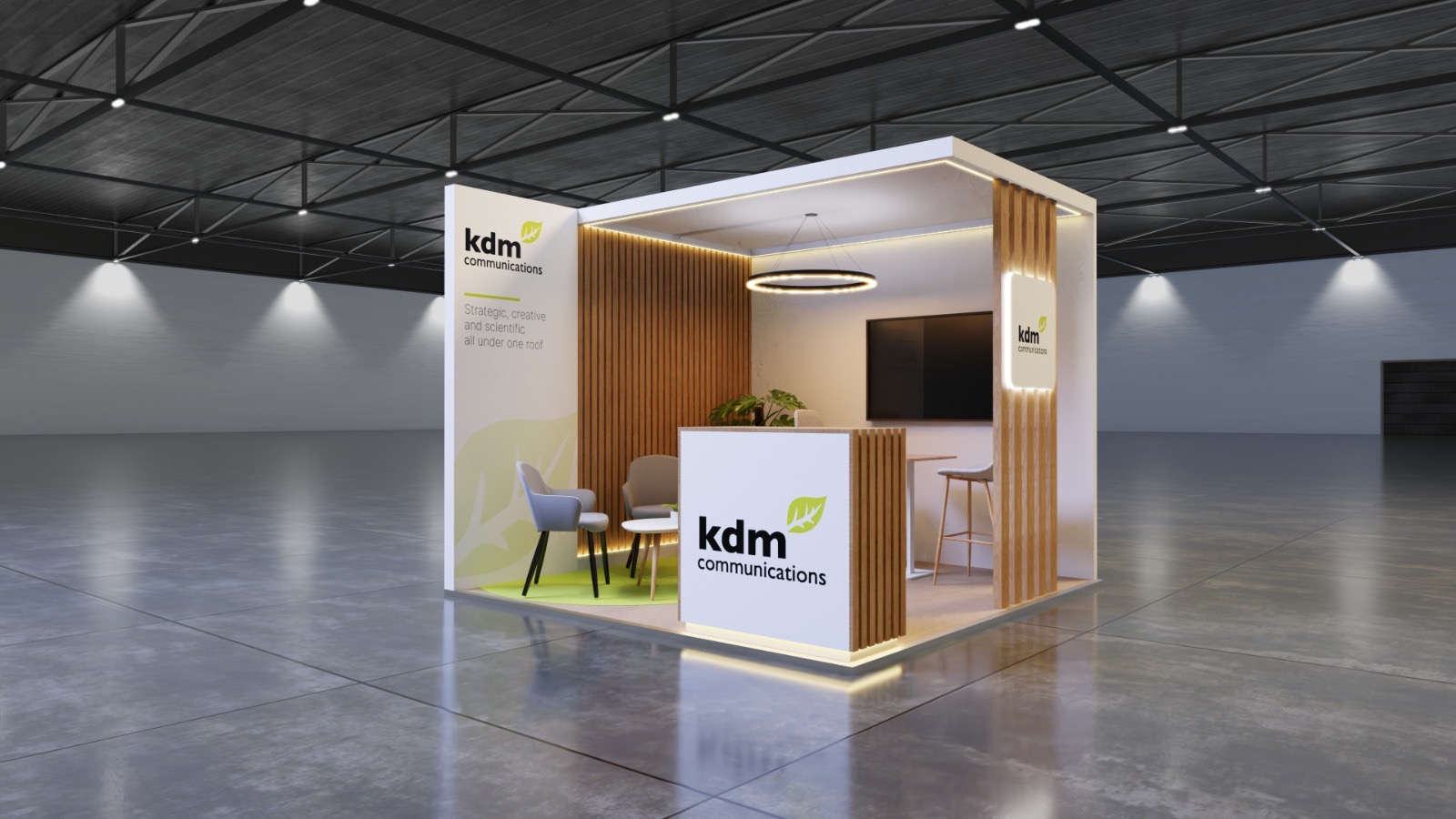
Exhibitions are a valuable opportunity for life sciences companies to meet customers, launch products, strengthen relationships and generate new leads.

An exhibition is one of the best opportunities in the calendar to build lasting thought leadership, positioning your subject matter experts – not just your products – as voices the industry turns to and listens to.

Too many white papers fail to capture attention, let alone drive meaningful engagement, but the problem isn't usually the quality of the science – it's how the white paper is conceived, written, structured and promoted.